

A Second Look: Photographed Pockets of Peace
In a city known for its nonstop energy, quiet moments often appear in small, unexpected ways. A warm patch of sunlight, a calm corner of a park, or a brief pause on a busy street can feel like tiny breaths in the middle of the rush.
This photo essay follows those pockets of peace throughout a single day, tracing how soft pauses and gentle details shape the city’s rhythm. Each image offers a small moment of calm that’s easy to miss, but easy to feel once noticed.
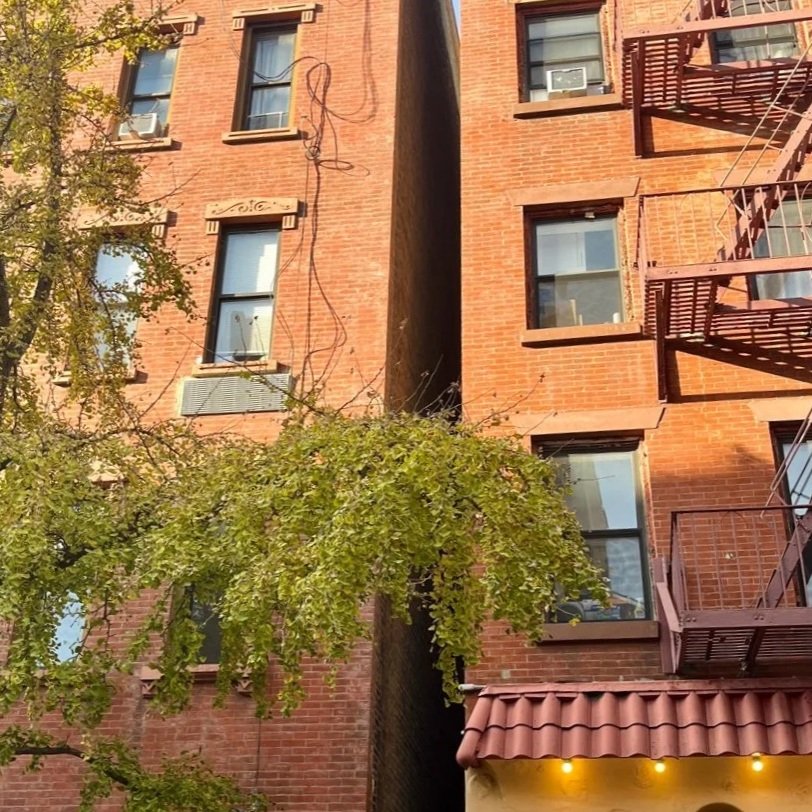
Morning Light: The city wakes slowly, easing into the light.
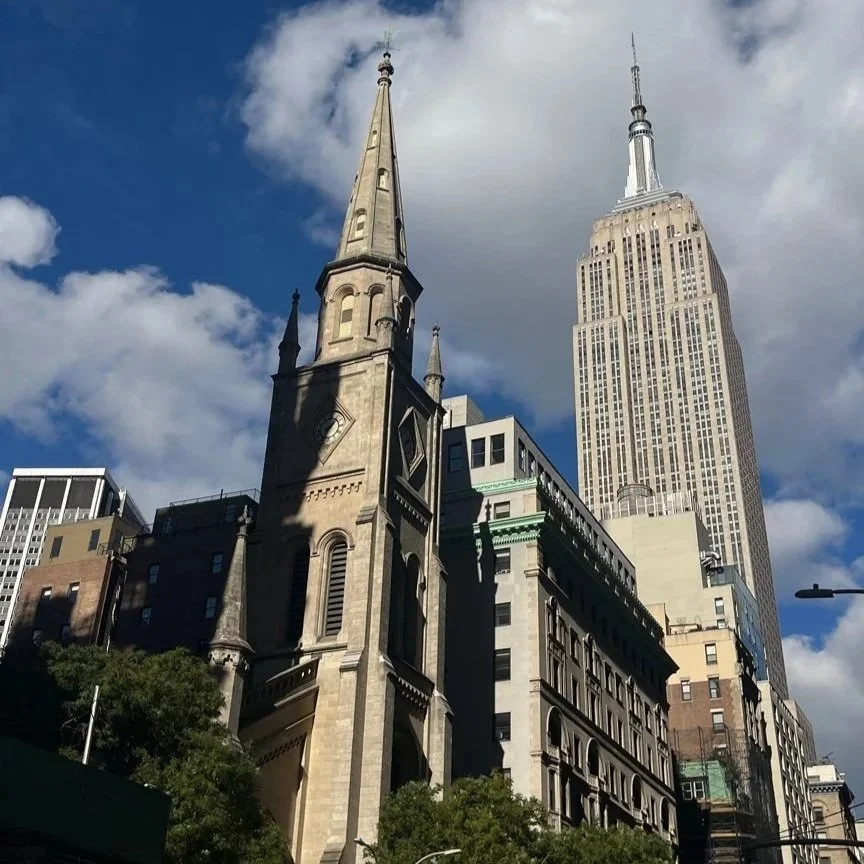
Easing Into Motion: Sunlight settles on the buildings, giving the morning a soft start.
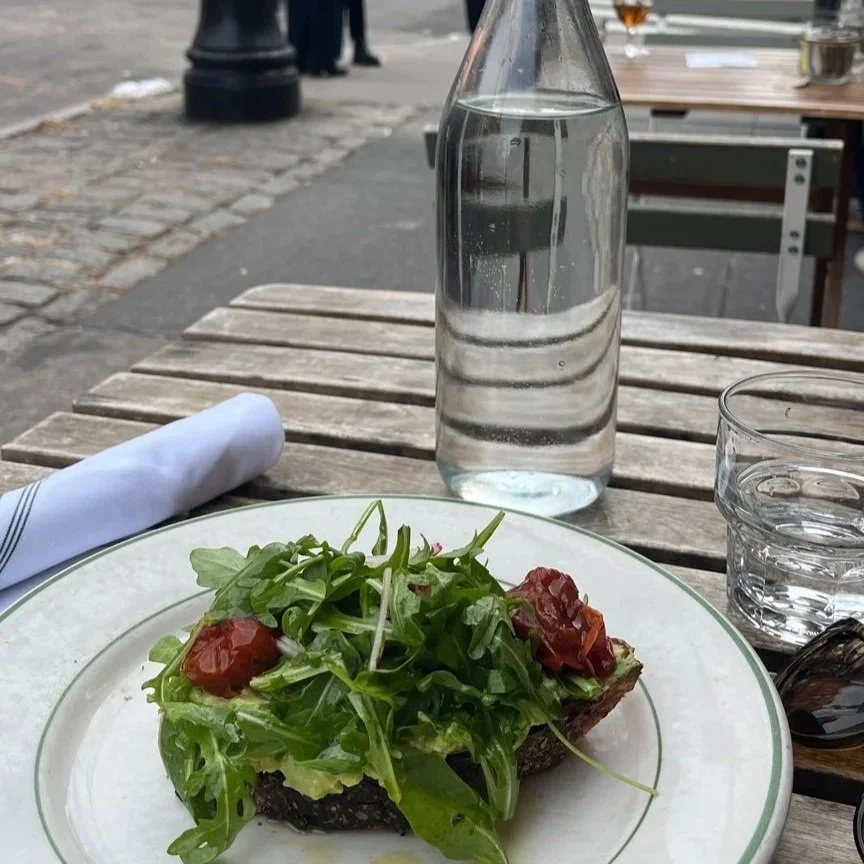
Small Pauses: A quiet pause at a small table while the street keeps moving.

City Texture: Bright covers and bold headlines with little flashes of the city’s personality.
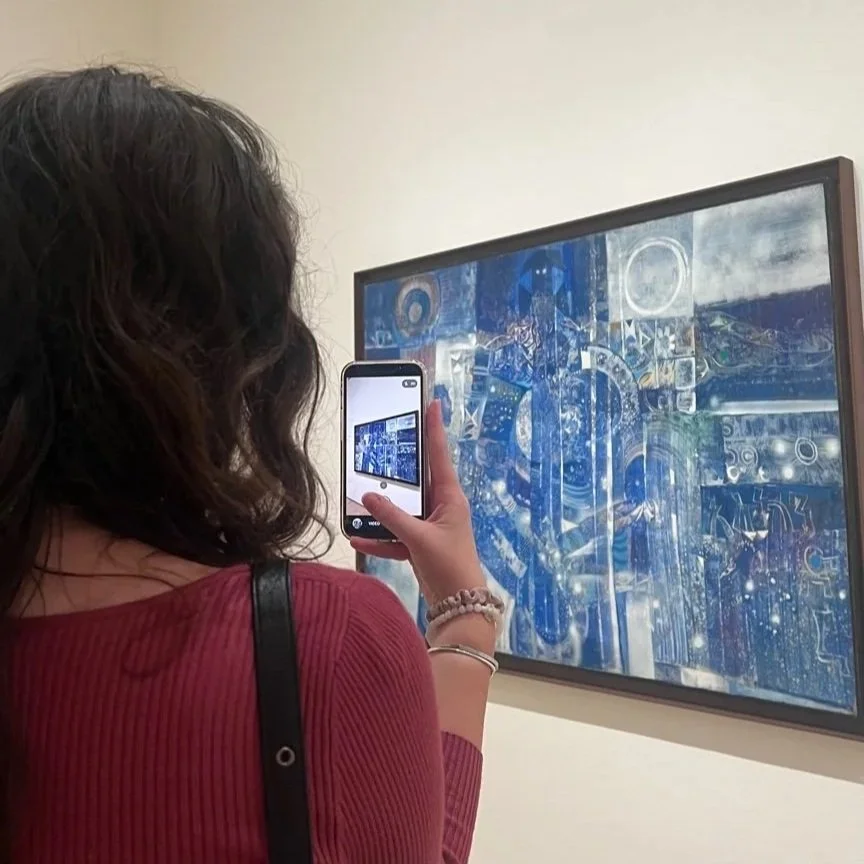
Quiet Attention: Inside the gallery, everything feels a bit slower and easier to take in.
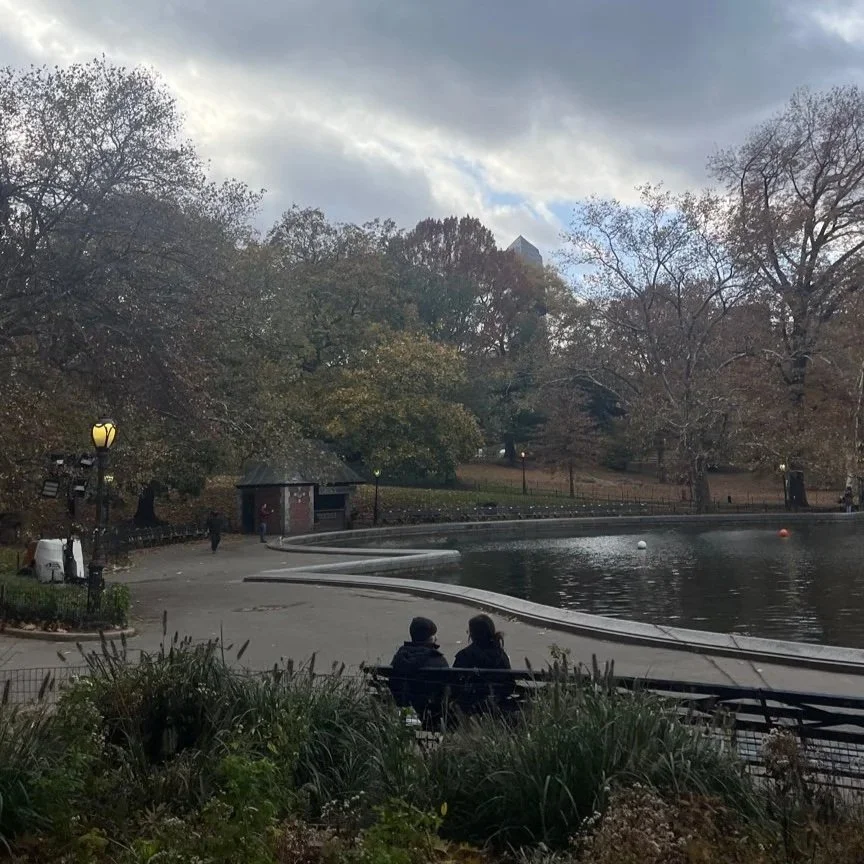
Afternoon Calm: Leaves, light, and a calm moment tucked inside the afternoon.
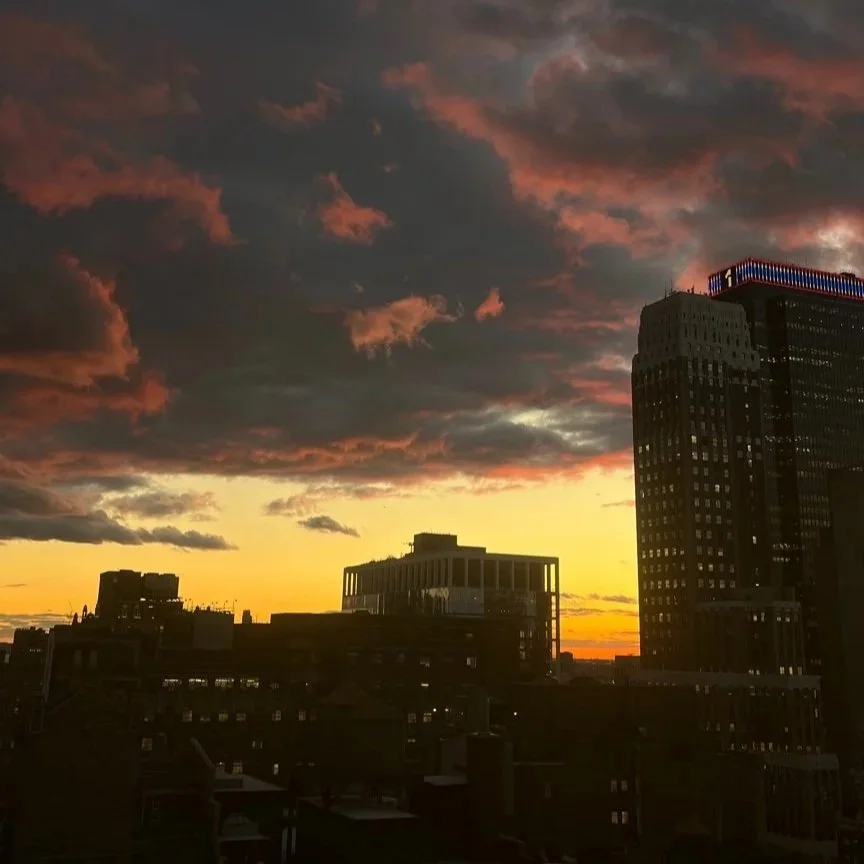
Evening Softness: The sky winds down gently, closing the day with color.
Conclusion
Together, these images reveal a day shaped by simple pauses and quiet in-between moments. Even as the city moves around them, these scenes hold their own sense of calm, offering small spaces to breathe amid the noise. From morning light to evening color, they show how stillness and motion coexist, creating a steady, gentle rhythm that carries through the day.
Behind the Process
This project started with the same idea behind my “Photographed Pockets of Peace” blog: cities move fast, but they’re full of small moments that feel calm if you pay attention. I wanted to take that feeling and turn it into a story that was more observational than personal. This is my take on a quiet photojournalism approach that follows the rhythm of a day.
To build the structure, I pulled from Ellen Lupton’s Design Is Storytelling. Even though my photos aren’t telling a dramatic story, the idea of a beginning, middle, and end helped shape the flow. Morning light opens the day softly, mid-day scenes bring in movement and texture, and the last image settles everything back into calm. The goal wasn’t to document every hour, but to give the viewer a gentle sense of progression.
As I sorted through my photos, they naturally fell into three types:
• Atmospheric moments: skylines, brownstones, morning light
• Quiet human pauses: a gallery visitor, people resting in the park
• Everyday transitions: magazine racks, a café table, small corners of the city
These categories helped me build a theme, which connects to the “Photo Narratives” reading that emphasizes how a photo essay needs a clear idea rather than random images. My idea was simple but intentional: the soft pauses tucked inside an otherwise busy place.
Design principles shaped how I chose and arranged the images. Gestalt concepts, especially figure/ground and continuation, made the quieter photos feel open and easy to look at. Even the slightly busier images had visual paths that guided the eye gently. Those small design choices helped create the overall calm tone I wanted.
The idea of behavioral economics also influenced my final selection. Photos that felt visually simple or warm naturally created more cognitive ease, which supported the peaceful theme. Meanwhile, the slightly more textured moments balanced the story without breaking the softness.
Overall, the process blended inspiration from my original blog with what we’ve learned about visual storytelling, perception, and design. The final essay feels like a slow walk through the city that’s steady, gentle, and full of small moments that make the day feel a little lighter.

Hey, I’m Ashley!
I am a graphic & interactive designer passionate about creating purposeful, fun, and engaging design. Whether it’s a brand identity, a responsive website, or a social media campaign, I love connecting ideas with strategy to make work that’s not only beautiful, but effective.
