

Intro to Motion: Gifs
Thinking Before Things Move
Reading the introduction and pre-production chapter of Animated Storytelling really shifted how I think about animation. Instead of treating motion as something you add at the end, the book frames animation as a storytelling tool that starts long before anything actually moves. One line that stood out to me was the idea that “being intentional about storytelling is the key to success,” which felt especially relevant for motion graphics, where it’s easy to focus on visuals before meaning.
The pre-production chapter reinforced how much clarity matters early on. Before opening any software, the book encourages creators to define what their piece is trying to communicate, who it’s for, and where it will live. That planning stage isn’t about limiting creativity, it actually helps focus it. Even short animations benefit from this mindset, since strong motion only works when it supports a clear idea or message.
I also appreciated how the book brings animation and motion graphics together rather than treating them as separate disciplines. Animation’s experimental, emotional approach pairs well with motion graphics’ structure and efficiency, and both benefit from thoughtful planning. Overall, these chapters emphasized that good animation isn’t necessarily about complexity, it’s about intention.


Research & GIFs Inspo:
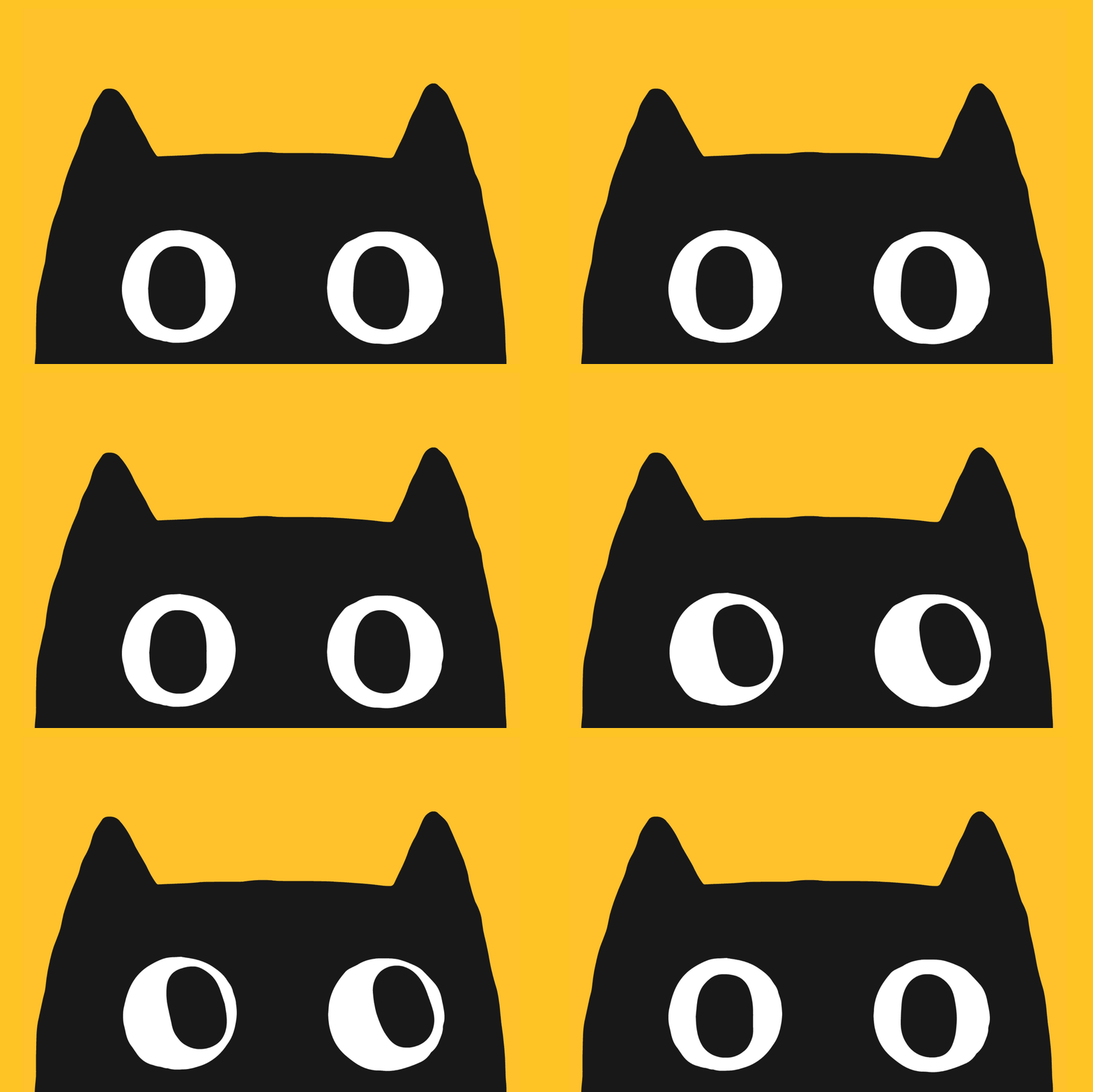
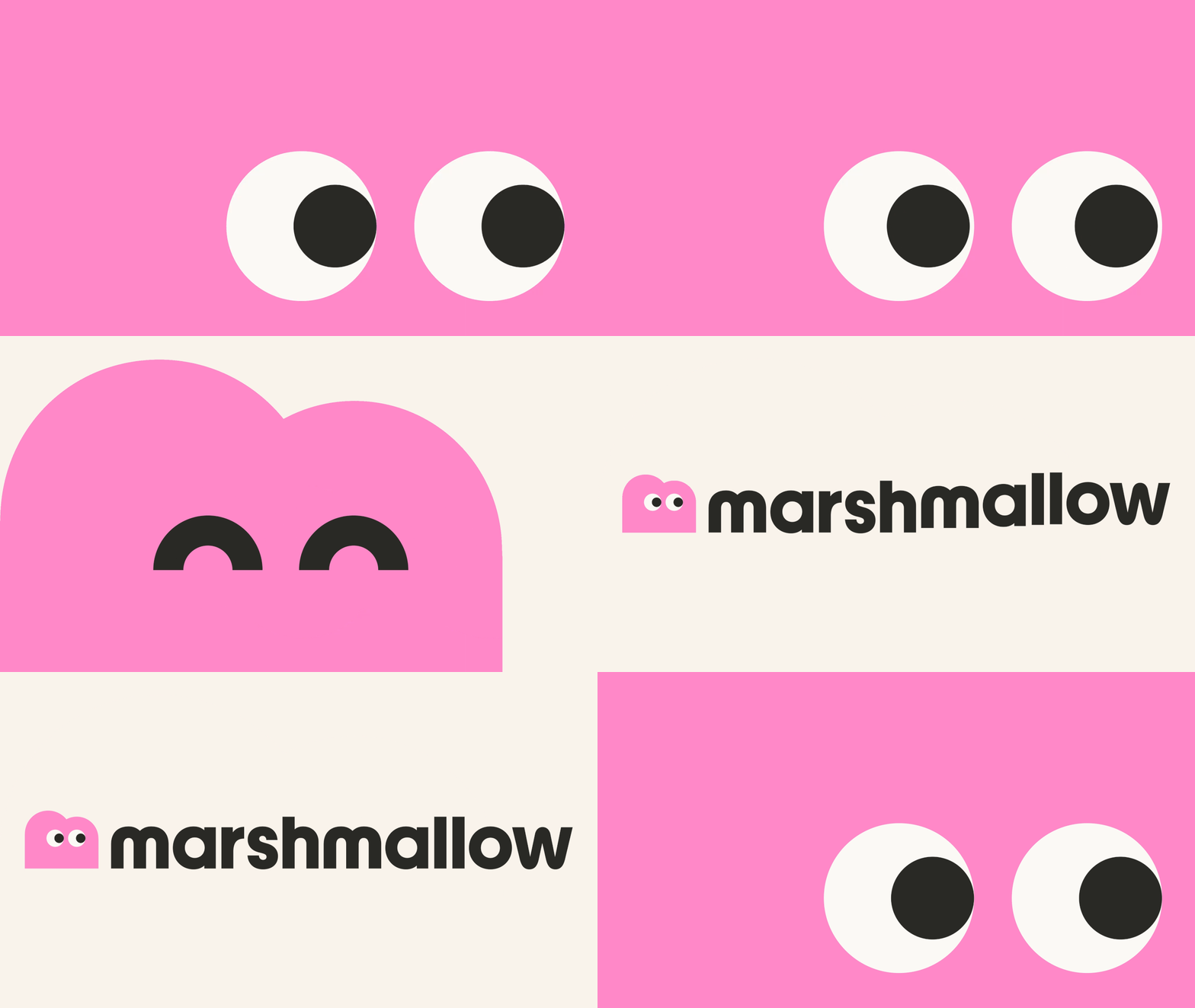
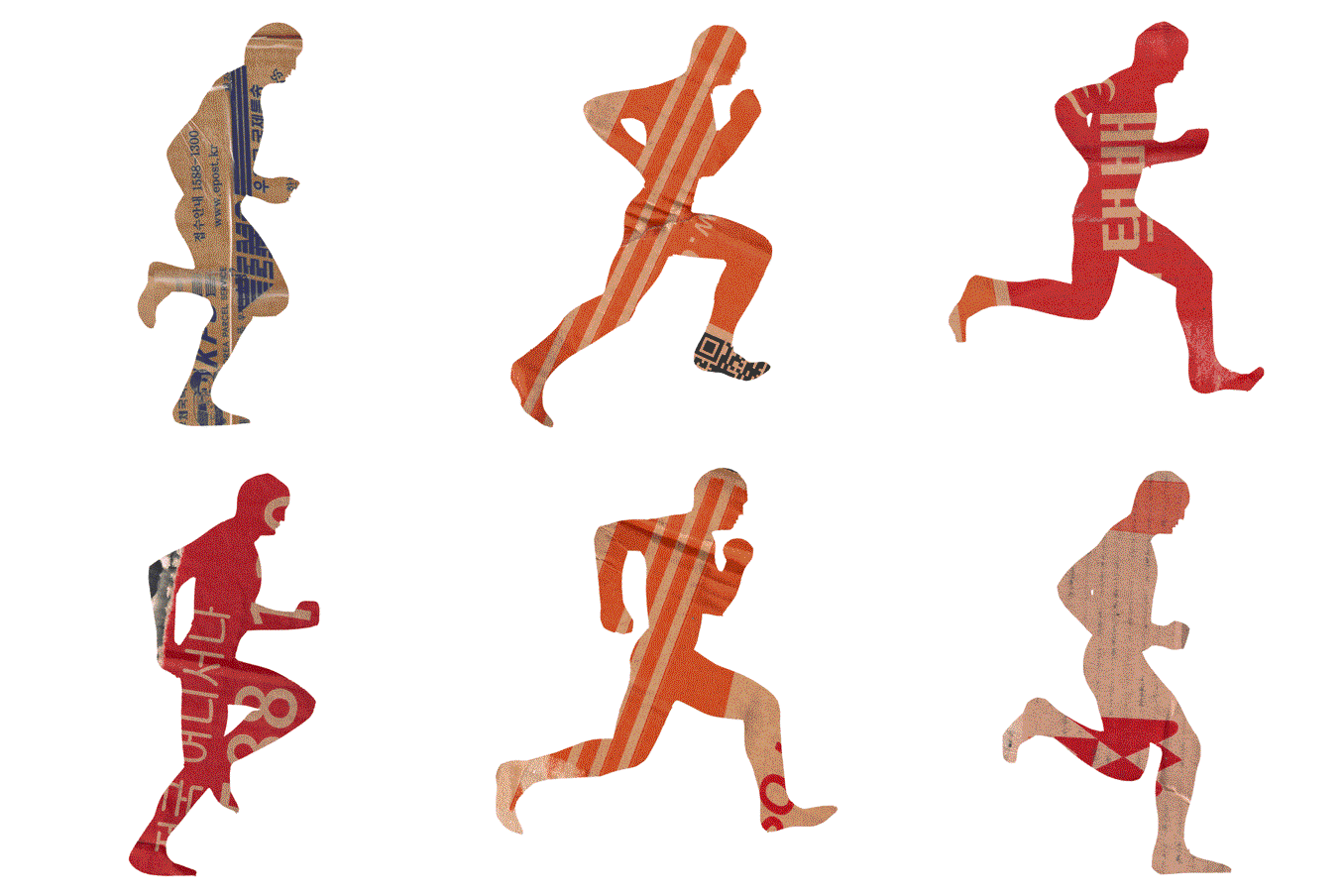
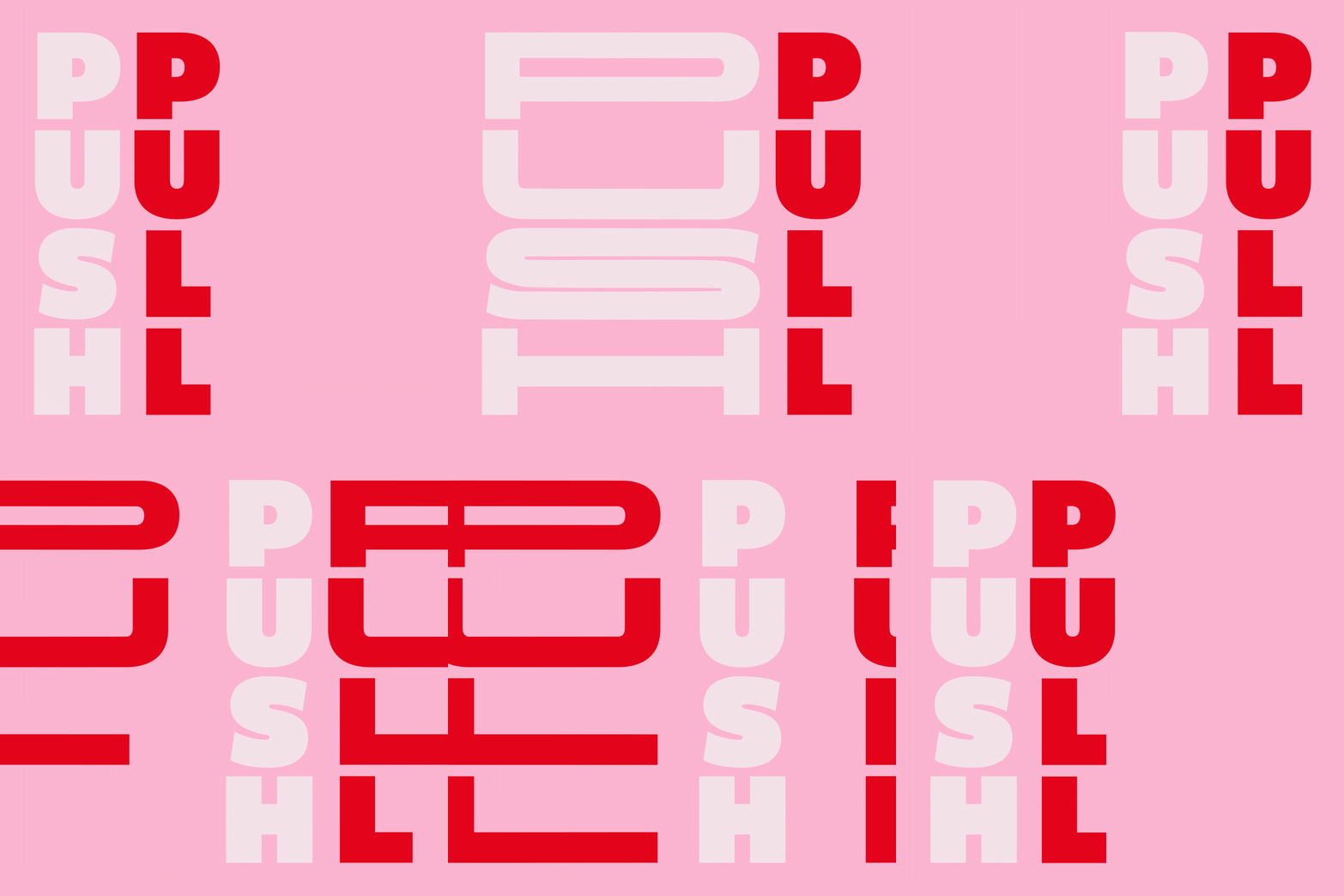
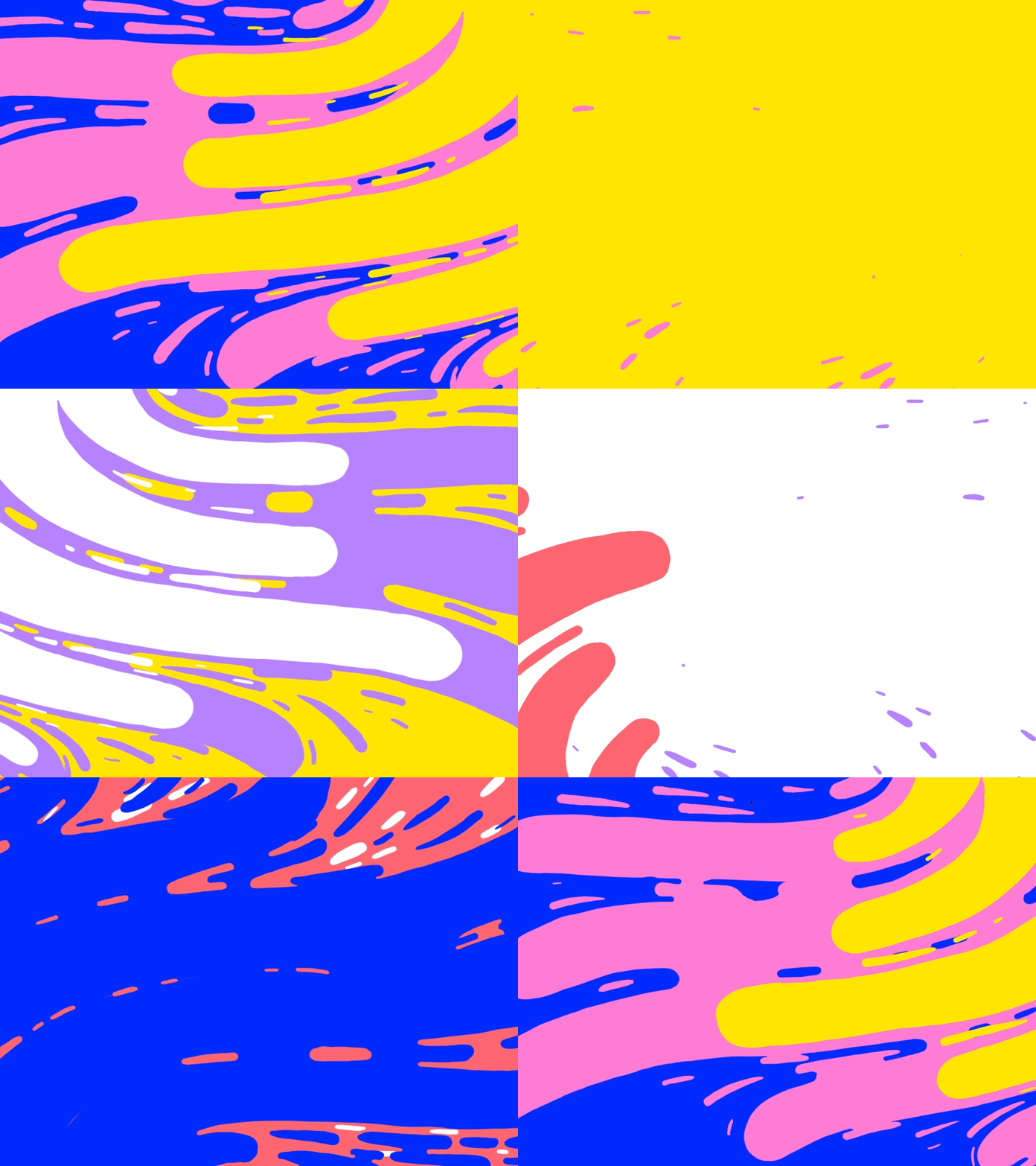
For my GIF research, I focused on animations that use type, character-driven motion, and cut-out techniques in simple but expressive ways. Many of these examples stood out because they rely on strong timing, clear shapes, and repetition rather than overly complex visuals. The typographic GIFs especially inspired me with how motion can reinforce tone through stretching, shifting, or looping letters to add personality and emphasis without needing additional imagery.
The character-based animations caught my attention for their use of minimal forms and exaggerated movement to convey emotion and action quickly. Even with limited detail, these GIFs feel engaging because the motion itself carries the story. Similarly, the cut-out style pieces highlight how layering, texture, and slightly jumpy movement can create a playful, handmade feel that works well in short looping formats.
Overall, these GIFs inspired me to experiment with motion as a storytelling tool rather than decoration. Each example reinforces the idea that successful GIFs don’t need to be complex, clear concepts, intentional pacing, and thoughtful movement are what make them effective and memorable.
Creation & Process of Gifs
Happy Fruit
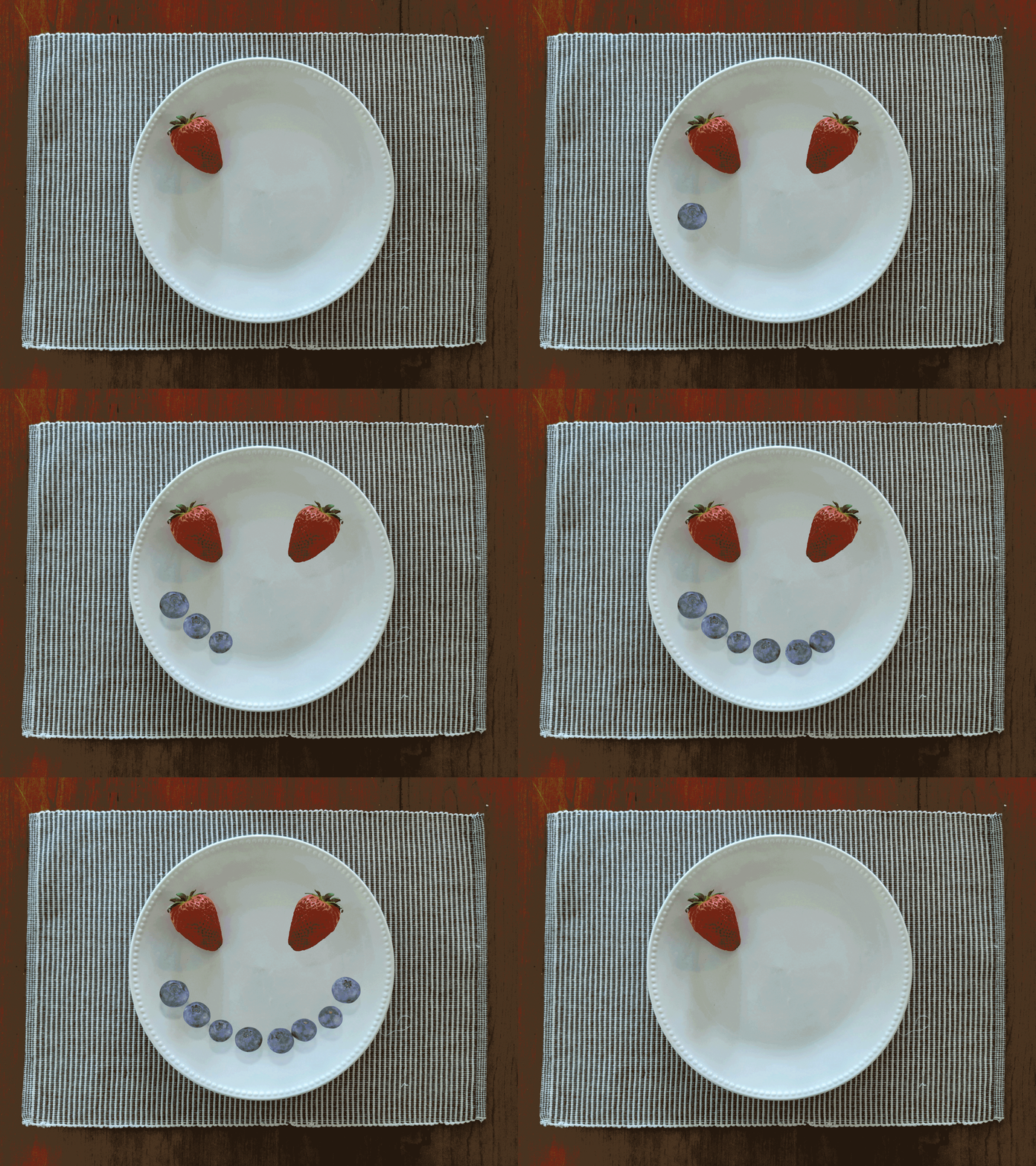
For this first GIF, I created a simple cut-out animation in Photoshop using the frame timeline method. Going into it, my main focus was to get comfortable with the animation tools and understanding how timing works frame-by-frame. I kept the motion intentionally minimal and slightly jumpy, adding each piece of fruit to the plate. This felt natural for a cut-out style and helped me clearly see how each frame contributed to the loop. Working with simple imagery gave me the space to focus on pacing and rhythm, which ended up being one of the most valuable parts of this process.

Pink Hearts
This GIF was created using the video timeline and onion skinning, and honestly, it was the most challenging part of this assignment for me. Visually, this piece is very simple, but the process itself was not. I struggled with the frame rate and found this video timeline much harder to work with than the frame timeline method. Even though I didn’t love this process, I’m still glad I tried it. Experimenting with onion skinning gave me a better understanding of how hand-drawn animation functions.
City Stories
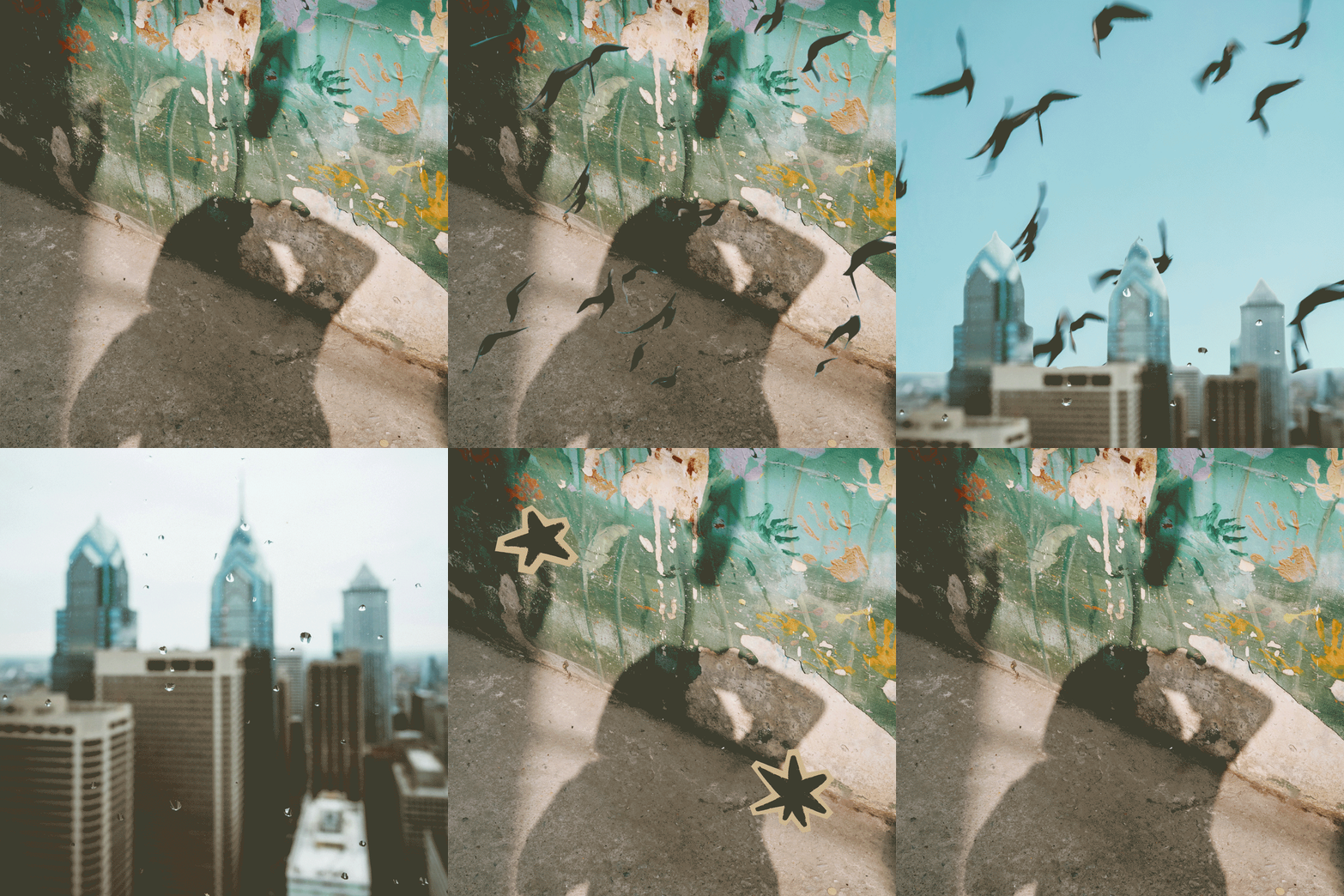
This final GIF is my favorite of the three and builds on what I learned from the first cut-out animation. Once again I used images and the frame timeline in Photoshop, but this time I pushed the motion further by experimenting with transformation and opacity to create a more engaging and cohesive loop. I chose this approach because it allowed me to tell a slightly more interesting visual story while still working within a simple, looping format. Playing with position and opacity helped the animation feel more intentional and expressive, and this piece felt like the best balance between structure and experimentation.
Overall, this assignment helped me better understand how different animation methods affect both process and storytelling, and it gave me a clearer sense of which approaches I want to explore more moving forward.

Hey, I’m Ashley!
I am a graphic & interactive designer passionate about creating purposeful, fun, and engaging design. Whether it’s a brand identity, a responsive website, or a social media campaign, I love connecting ideas with strategy to make work that’s not only beautiful, but effective.
