

Blogs


From design breakdowns and advice to industry trends, this is where I share everything from new insights, exploratory ideas, and recent inspiration.
Behind the scenes of my creative world.




Featured:
All Blogs:
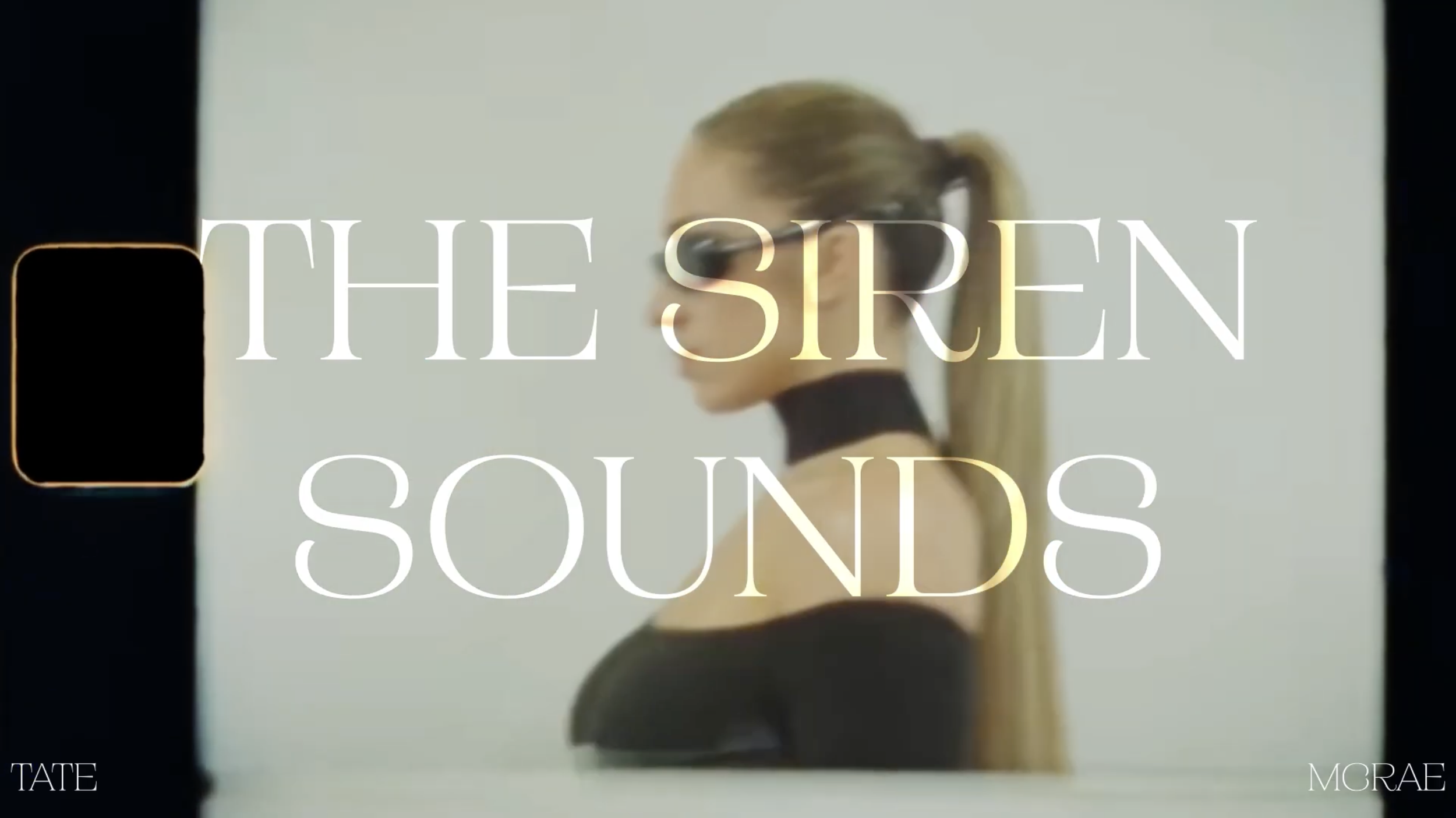
Siren Sounds: Lyric Video Clip
The final chapter of Animated Storytelling, focuses on what happens after you finish creating an animation: sharing your work with the world. The chapter emphasizes that animation doesn’t end when the project is finished. Instead, the next step is presenting, distributing, and networking around your work so it can actually reach an audience.

UX UI Animation
In my continued reading of Animated Storytelling, this week, what stood out most to me was how animation becomes intentional design rather than decorative movement. The chapter reinforced that timing has so much meaning. The way something enters, exits, eases, or pauses completely shifts how it’s perceived.

Logo Stinger
In the Technique chapter of Animated Storytelling, Liz Blazer emphasizes that animation style should always support the story, not distract from it. Technique isn’t just about choosing between 2D, 3D, stop motion, or vector graphics. It’s about selecting a visual language that aligns with the tone, message, and emotional goals of the piece.
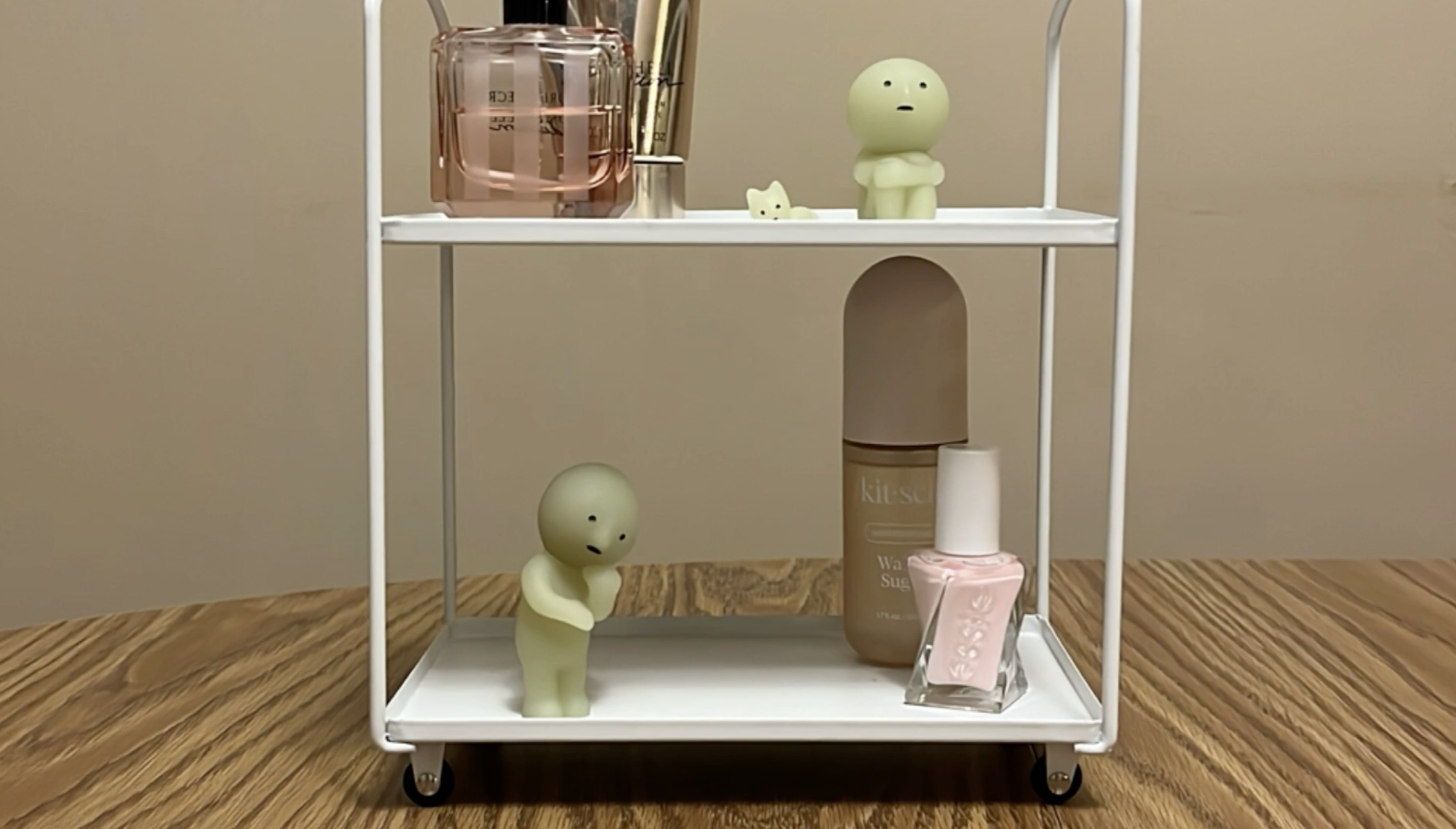
Smiskis After Dark
Reading Sound Ideas and Design Wonderland from Animated Storytelling made me realize how much storytelling exists outside of what we physically see on screen. Up until now, I’ve naturally focused on visuals first, like the overall composition, movement, timing or color.
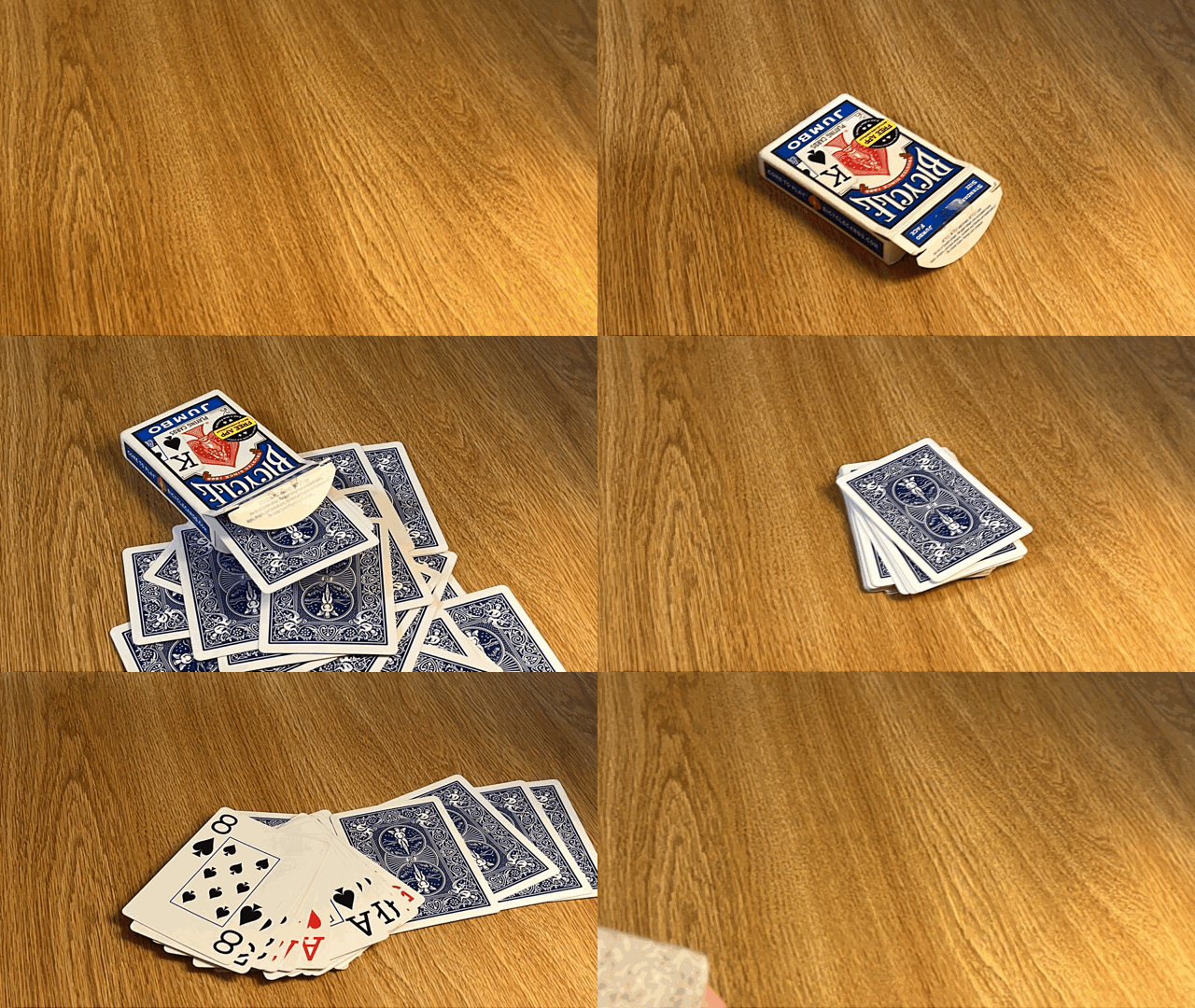
Intro to Stop Motion
Color isn’t just about making something look good, it’s a storytelling tool that guides emotion, focus, and meaning as elements move on screen. Being intentional with palettes and consistency…
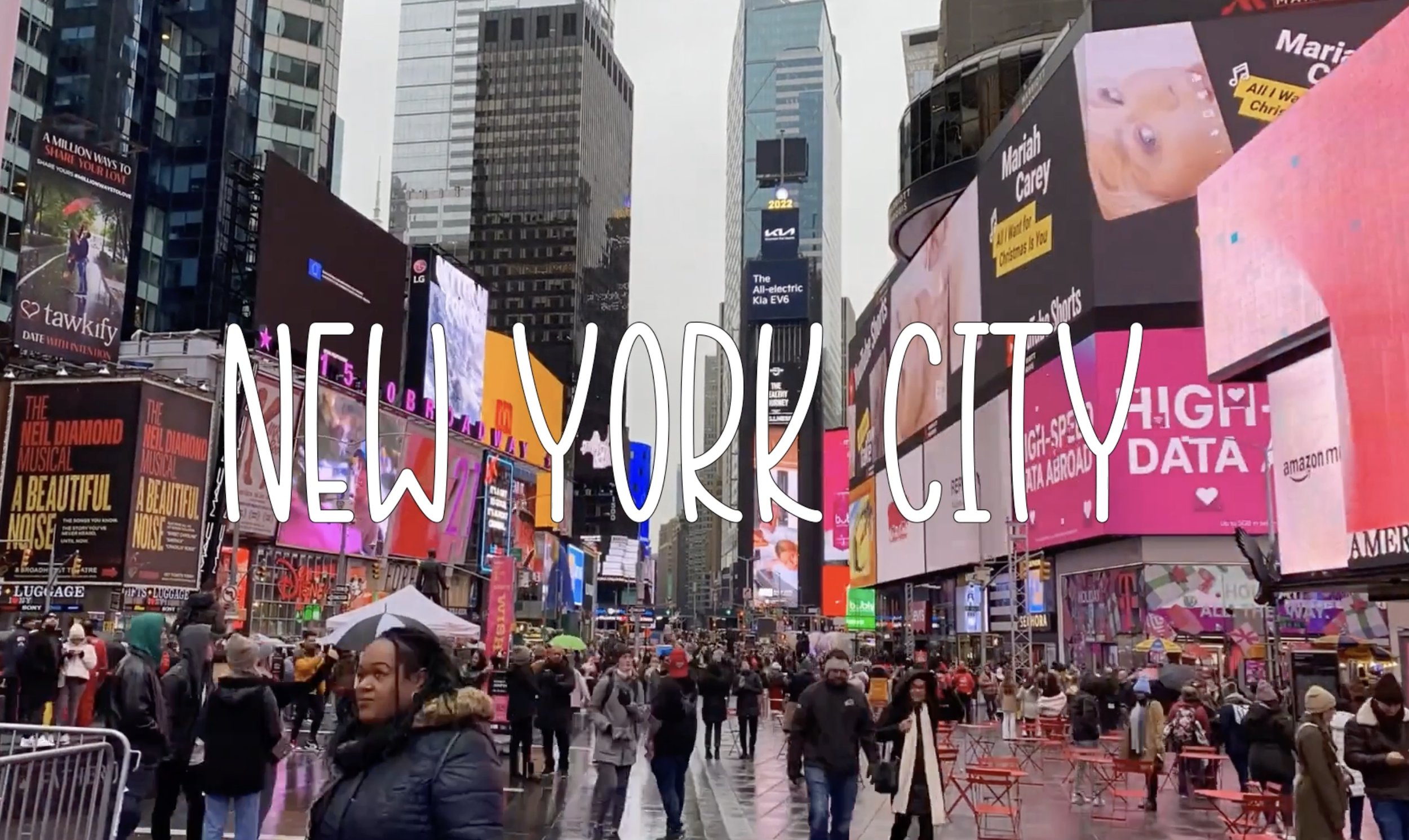
An Animated Intro
Reading Animated Storytelling helped me rethink how I approach motion design, especially the role of story and planning in animation. Rather than treating motion as something purely visual, the book emphasizes that animation is a communication tool…

Intro to Motion: Gifs
Reading the introduction and pre-production chapter of Animated Storytelling really shifted how I think about animation. Instead of treating motion as something you add at the end, the book frames animation as a storytelling tool that starts long before anything actually moves.