

Siren Sounds: Lyric Video Clip
The final chapter of Animated Storytelling, focuses on what happens after you finish creating an animation: sharing your work with the world. The chapter emphasizes that animation doesn’t end when the project is finished. Instead, the next step is presenting, distributing, and networking around your work so it can actually reach an audience.
A key takeaway from this chapter is the importance of packaging your project in a way that clearly communicates the idea behind it, while understanding that animation is part of a larger creative community. Motion designers and animators often grow by sharing their work, learning from peers, and continuing to experiment with new ideas. Instead of treating a project as the final destination, the chapter encourages creators to see each piece as part of an ongoing creative journey.
Research & Inspiration
Throughout this course, I found myself especially drawn to lyric videos and music-based motion graphics as inspiration. Many of these pieces rely on relatively simple animation techniques, but they become engaging through the way typography, visuals, and music work together. The timing between lyrics and motion can transform basic text and imagery into something dynamic and expressive.
I’m particularly inspired by projects that combine video clips with animated typography, where the words appear on screen in sync with the lyrics. Even subtle movements like fades, scale changes, or position shifts can add rhythm and emotion to a piece when they are timed well with the audio. These kinds of projects show how motion design doesn’t always need to be overly complex to be effective. Thoughtful pacing, typography, and music can create a strong visual experience while still keeping the animation clean and minimal.
My Final Project & Reflection
While a few weeks ago, my experience with motion graphics and animation was pretty limited, I now better understand the basics of movement, timing, and how animation works frame by frame. I gradually became more comfortable experimenting with motion using tools like After Effects. I learned how small adjustments to scale, opacity, and position can create movement and visual rhythm. I also started thinking more intentionally about timing, pacing, and how motion can support storytelling.
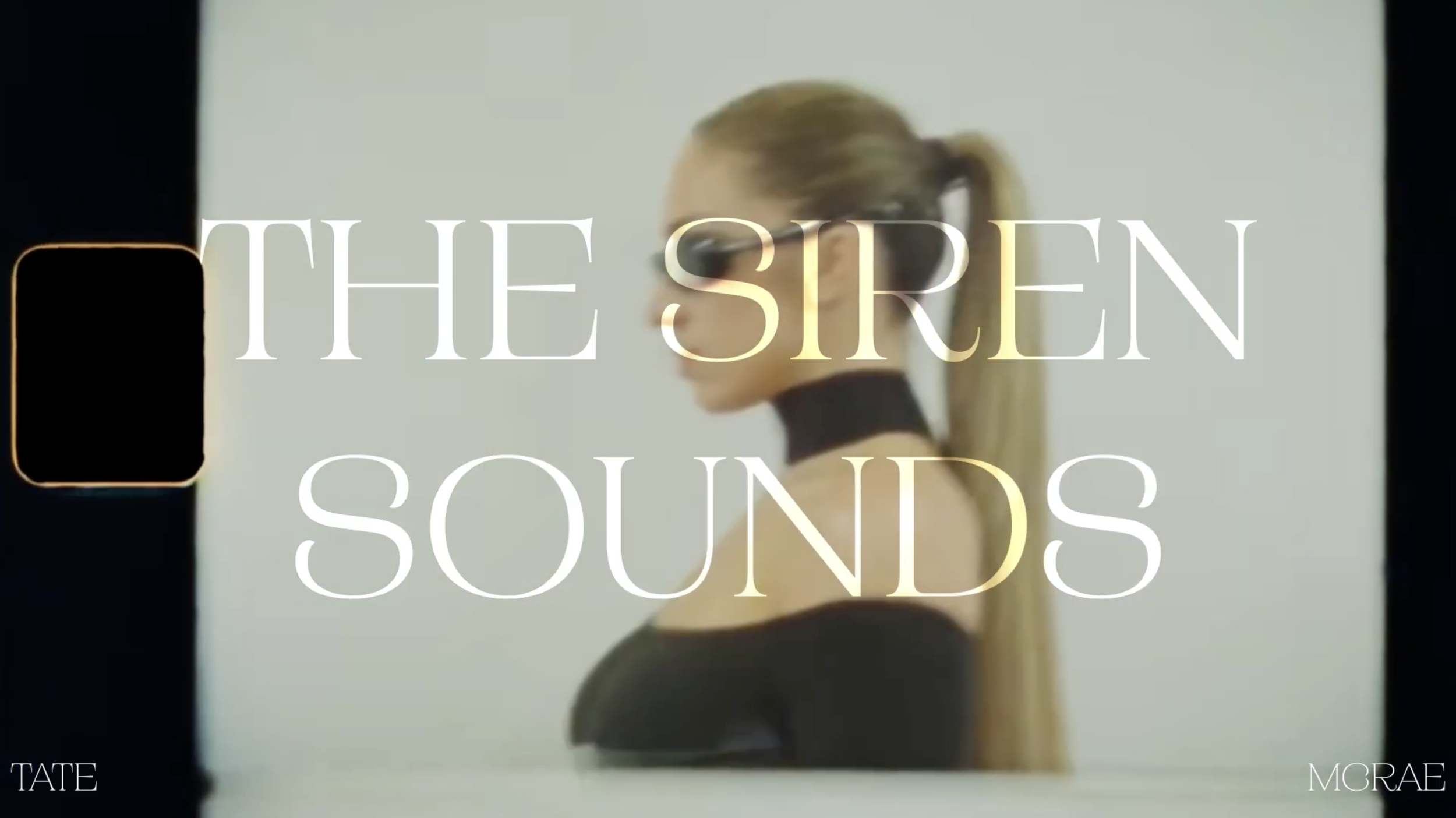
For my final project, I created a 15-second lyric video inspired by Tate McRae’s song “Siren Sounds” . I edited together clips from two of her other music videos to create a visual atmosphere that matched the mood of the song. I then selected a font that fit the aesthetic and used animation tools in After Effects to bring the lyrics onto the screen.
Each word appears as the lyric is sung using combinations of opacity, scale, and position animations. While the final result looks fairly simple, the process was actually quite tedious because every word had to be timed carefully with the music. I loved the opportunity to combine video editing, typography, and motion design, which is exactly the direction I was most interested in exploring. I really enjoyed experimenting with how text and video can work together to support a song visually.
Looking ahead, I would love to continue exploring music-related motion graphics, including lyric videos, promotional visuals for artists, or animated title sequences. I’ve learned how motion design can be a powerful storytelling tool, and I’m excited to keep building on these skills in future creative projects.

Hey, I’m Ashley!
I am a graphic & interactive designer passionate about creating purposeful, fun, and engaging design. Whether it’s a brand identity, a responsive website, or a social media campaign, I love connecting ideas with strategy to make work that’s not only beautiful, but effective.
