

The Power of Experience
Whether it be scrolling through social media, watching a video, opening an email or just surfing the web… us modern consumers encounter thousands of advertisements each day. Some estimates say we see anywhere from 4k to 10k brand messages daily. And yet, most of them? Ignored within seconds.
Think about it. How many ads do you actually stop for?
In a digital world where everything is fighting for your attention, brands are facing a huge challenge: how do you get someone to not only notice you, but actually care?
From Scrolling to Stopping
Traditional advertising is easy to skip. You scroll, tap, close, move on. It’s passive. But experiential marketing flips that completely.
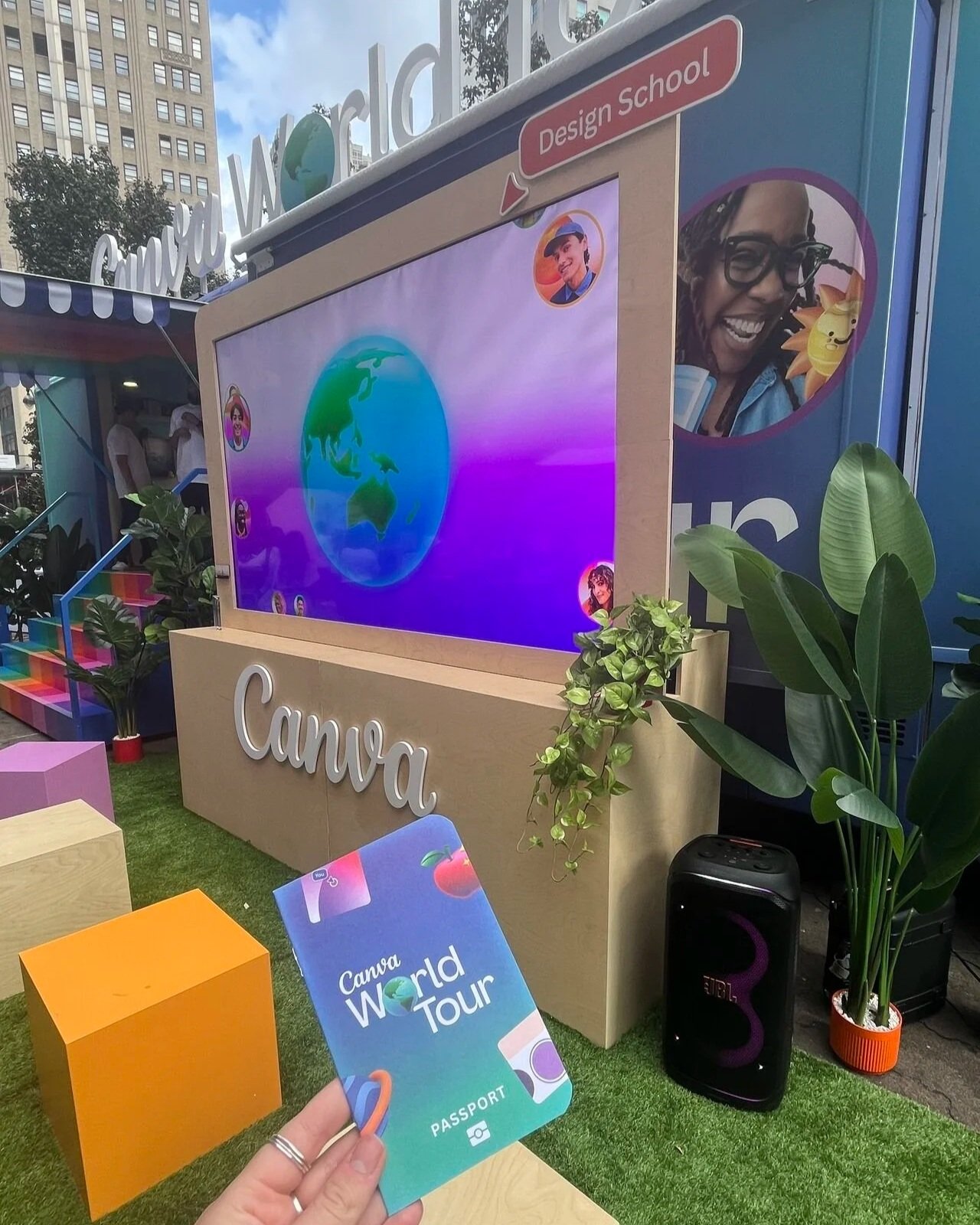
Instead of asking for attention, it creates a moment. Whether it’s a pop-up, a brand event, a product sampling opportunity, or an interactive installation, experiential marketing invites people to actually step into the brand.
With this, you’re no longer just seeing the product, instead you’re:
Trying it
Interacting with it
Taking photos of it
Sharing it
And most importantly, remembering it.
“Consumers are 70% more likely to purchase a product after experiencing it firsthand.”
- Towerhouse Global
Why It Works
Experiences create something traditional ads can’t: emotional connection. When you physically engage with a brand, it feels more real, more personal, and more memorable. That quick moment of interaction can turn into:
Stronger brand recall
Higher engagement
Long-term loyalty
It’s the difference between seeing a lip gloss in an ad vs. trying it at a pop-up and immediately needing it!
“Experiential marketing aims to create emotional connections by involving customers in activities, events, or interactive marketing campaigns…increase customer engagement, but also expand a brand’s reach and recognition by going viral. Live events, pop-ups, and brand activations are just a few examples.” -SalesForce
The Social Media Effect
What makes experiential marketing even more powerful today is how naturally it connects with social media. A well-designed brand experience doesn’t just live in the moment with trends, it simultaneously lives online. People post it. Share it. Talk about it. Suddenly, one event turns into all kinds of UGC (user-generated content) from TikToks to Instagram stories.
Brands aren’t just reaching the people who show up, they’re reaching everyone who sees it after. It becomes both a physical experience and a digital campaign at the same time.
“Social media has become integral to experiential marketing, offering unique ways to engage and captivate audiences. It extends the reach of memorable events by creating vibrant, shareable moments that resonate well beyond the physical experience.” -Exibititus
Where Design Comes In
Experiential marketing isn’t just about the idea, while that’s a huge part of it, it’s also about how it looks and feels. The best activations are trendy, and the ones that people want to photograph.
Design plays a huge role in:
Creating visually appealing spaces
Building a cohesive brand identity
Making moments feel “shareable”
Guiding how people move through an experience
Brands can’t rely on just being seen anymore, they have to be experienced. Consumers are more selective, more aware, and more likely to ignore anything that doesn’t immediately interest them. Experiential marketing gives brands a way to cut through that noise and create something meaningful. And honestly, it works.
Next time you scroll past an ad without even thinking twice, ask yourself: If that experience was happening right in front of you… would you stop?

Hey, I’m Ashley!
I am a graphic & interactive designer passionate about creating purposeful, fun, and engaging design. Whether it’s a brand identity, a responsive website, or a social media campaign, I love connecting ideas with strategy to make work that’s not only beautiful, but effective.
