

Moodboarding: The Creative Step You Can’t Afford to Skip
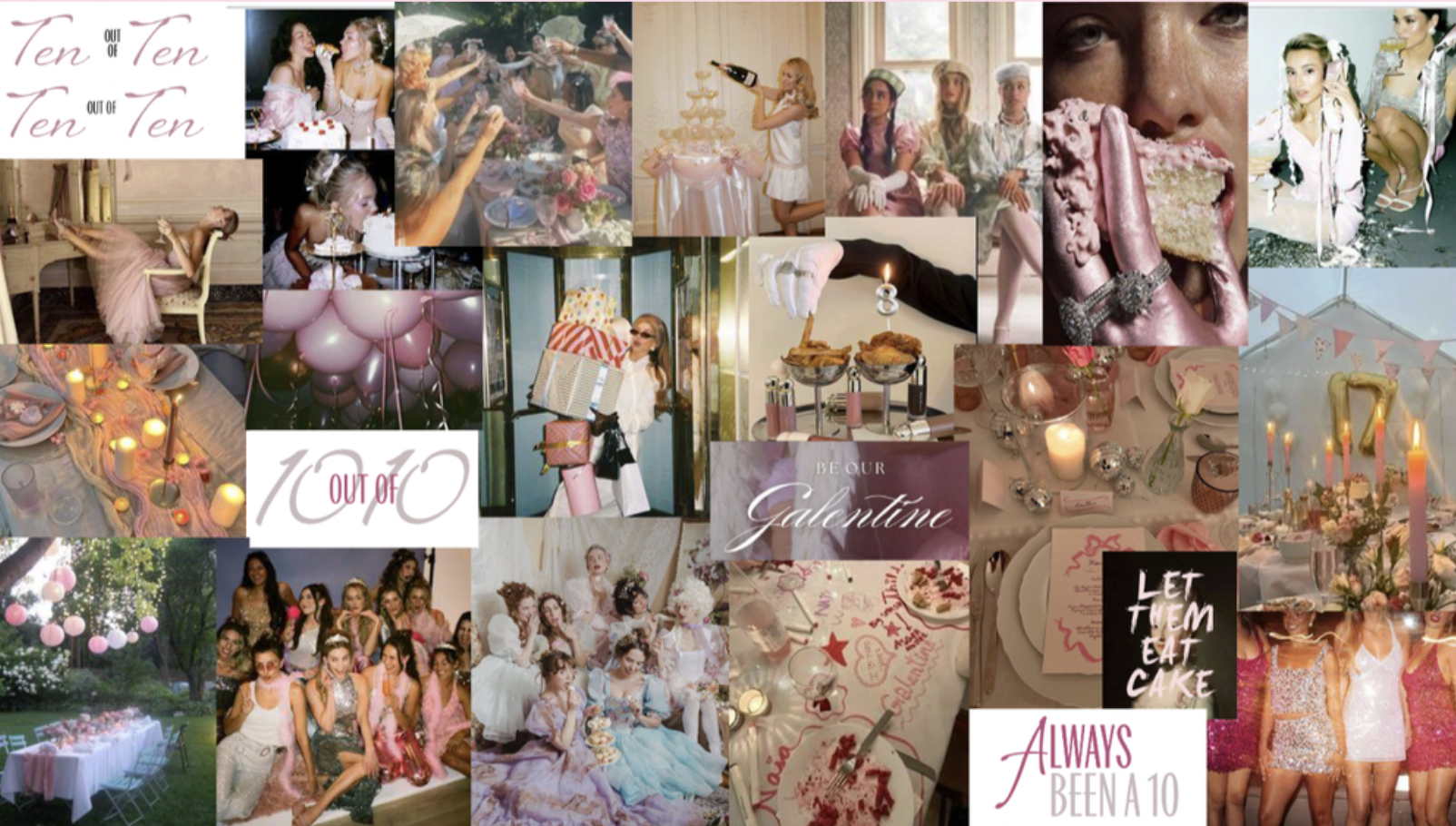
An event marketing mood board I created for Tarte Cosmetics.
We move fast, scroll fast, think fast, design fast. Somewhere in that constant momentum, one of the most important parts of the creative process often gets skipped or rushed: the moodboard.
Moodboarding isn’t just a “nice to have”, rather it’s a non-negotiable step in the creative process. It’s the foundation that shapes everything from visual direction to emotional impact. Without it, projects can lack direction, teams fall out of alignment, and the final outcome can feel disconnected from the original vision.
Visual Research
For me, Pinterest is basically a second brain. It’s where ideas start to take shape before I even open a design file. Moodboarding allows all creative elements to exist in one place; everything from colors, typography, photography styles, textures, layouts are shown in the moodboard before anything is finalized. Instead of guessing what might work, you start to see it.
As creatives, visual research is everything. Inspiration doesn’t just come from thinking, it comes from observing, collecting, and analyzing what’s already out there. Speaking from experience, I need to see things to fully understand them. Words and descriptions can only go so far, but visuals make ideas tangible. They help me visualize the direction, plan more intentionally, and fully grasp the creative vision before bringing it to life.
And to be clear: moodboarding is not about copying someone else’s work. It’s about understanding what resonates and why. It’s about pulling inspiration from multiple sources, identifying patterns, and building a direction that feels cohesive and intentional. The goal isn’t to recreate, rather to interpret.
Direction & Decision-Making
Moodboards also exist in both digital and physical forms, and both play an important role. While platforms like Pinterest have made the process faster and more accessible, physical moodboards still hold value. The balance between digital convenience and physical connection highlights just how foundational moodboarding is across creative disciplines.
“Mood boards emerged decades ago as actual boards and are still relevant today because they encourage a visual, tactile connection at a time when many people — especially younger generations — are seeking more physical spaces and experiences in a hyper-digital world.” -Adobe
It’s also important to distinguish moodboards from brand boards. While the two may overlap in elements like color palettes or typography, they serve different purposes. A moodboard is exploratory to help define the overall look, feel, and direction of a project. A brand board, on the other hand, is more refined and structured, capturing finalized brand elements. In many ways, the moodboard comes first, acting as the creative foundation that informs the brand board.
From a design standpoint, moodboards act as a visual guide. They help establish hierarchy, tone, and consistency early on, making the actual design process more intentional and efficient. Rather than designing blindly, you’re building from a clear, curated vision. They also play a key role in decision-making.
“Serving as a visual reference, moodboards streamline choices, ensuring they are in harmony with the overarching brand strategy.” -Whisk Creative
From Design to Experience
But moodboarding goes far beyond design…it plays a huge role in marketing, especially in experiential and event-based work. When planning an event, you’re not just designing graphics, you’re crafting an experience. A strong moodboard translates abstract ideas like “high-energy,” “luxury,” or “community-driven” into something tangible to build a visual sense of feeling and really define the atmosphere.
In event or experiential marketing, this becomes essential. Teams need to align across multiple touchpoints: social content, physical space, signage, activations, and more. A moodboard ensures that everything feels cohesive, from the Instagram teaser to the in-person experience. It’s not just about aesthetics, it’s about storytelling. It also strengthens collaboration across teams.
“Moodboards are useful for keeping all team members on the same page, even if they work in different areas such as visual design, content, or marketing.” -Letterhend
I’ve always loved seeing how other creatives approach this step. One of my favorite exercises has been creating reverse moodboards, breaking down existing campaigns or brands to understand the visual decisions behind them. For example, I did this with Pop-Tarts, to further explore how color, typography, and imagery worked together to create such a distinct identity. That process made one thing very clear: strong creative work doesn’t happen by accident, it starts with direction.
Moodboarding may seem like a small step, but it has a big impact. It sets the tone, builds the story, and guides the outcome. Skipping it doesn’t save time, rather it costs clarity, direction, and ultimately the strength of the final outcome.
So next time you start a project, try pausing before jumping into execution. Open Pinterest and start pulling references. Build the world before you design within it!

Hey, I’m Ashley!
I am a graphic & interactive designer passionate about creating purposeful, fun, and engaging design. Whether it’s a brand identity, a responsive website, or a social media campaign, I love connecting ideas with strategy to make work that’s not only beautiful, but effective.
