

Rare Beauty: Paid Social Media Campaign
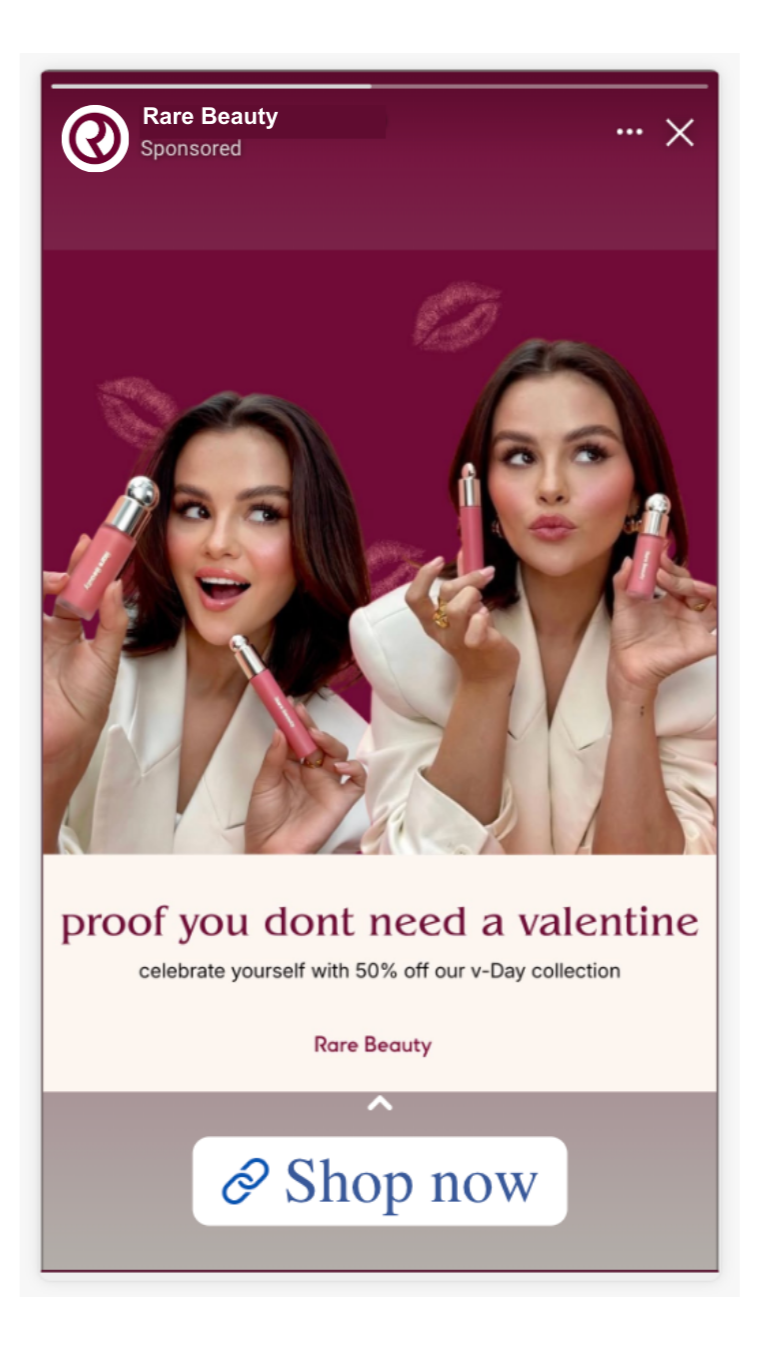
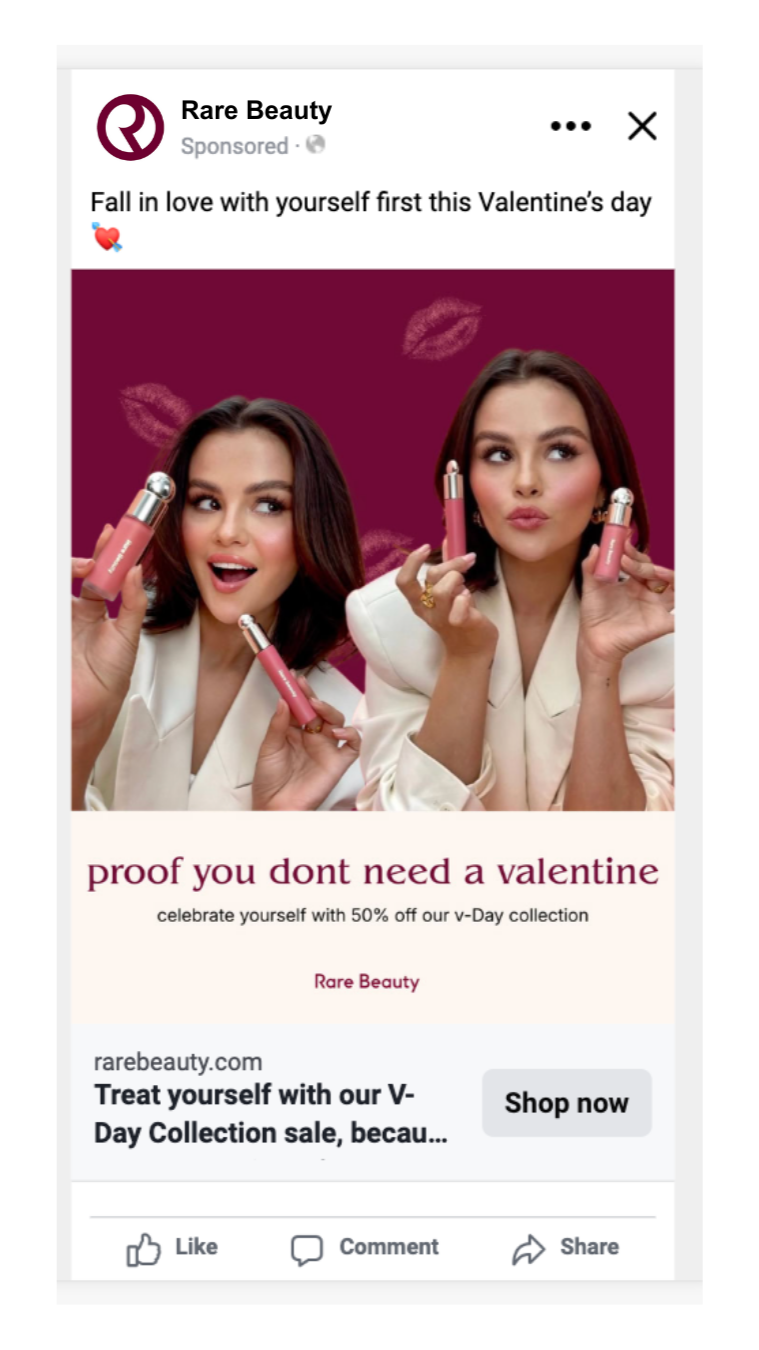
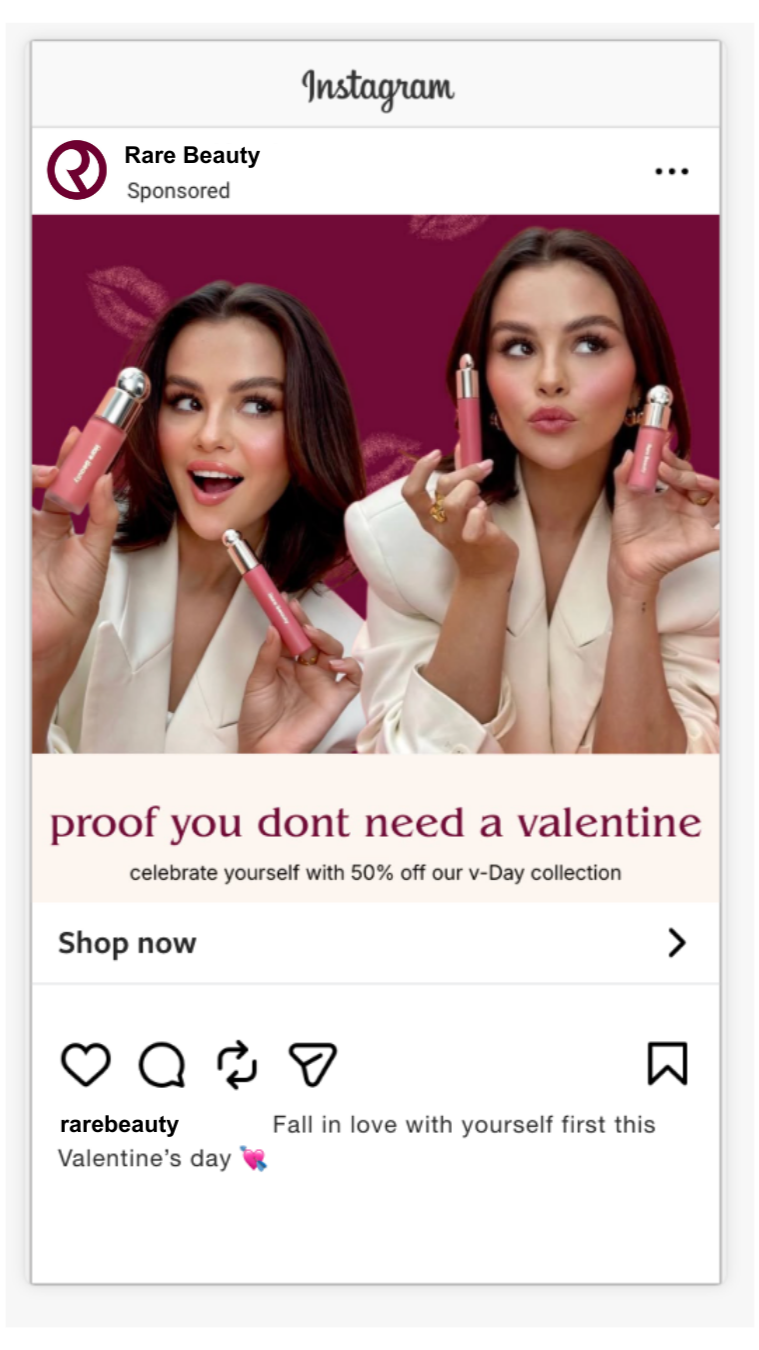
I created a mock paid social media campaign using Meta’s Facebook Ads Manager to better understand how brands use paid media to drive measurable results, specifically conversions. Rather than focusing on organic reach, this assignment emphasized strategic decision-making around objectives, targeting, budget, and creative execution within a real advertising platform.
For this campaign, I chose Rare Beauty, a brand that consistently leverages paid advertising to promote new products, limited-time promotions, and seasonal moments. Based on prior research, Rare Beauty’s paid ads, especially those tied to promotions and featuring strong brand storytelling, often perform well, making it an ideal brand for a hypothetical Valentine’s Day sales campaign.
Campaign Objective
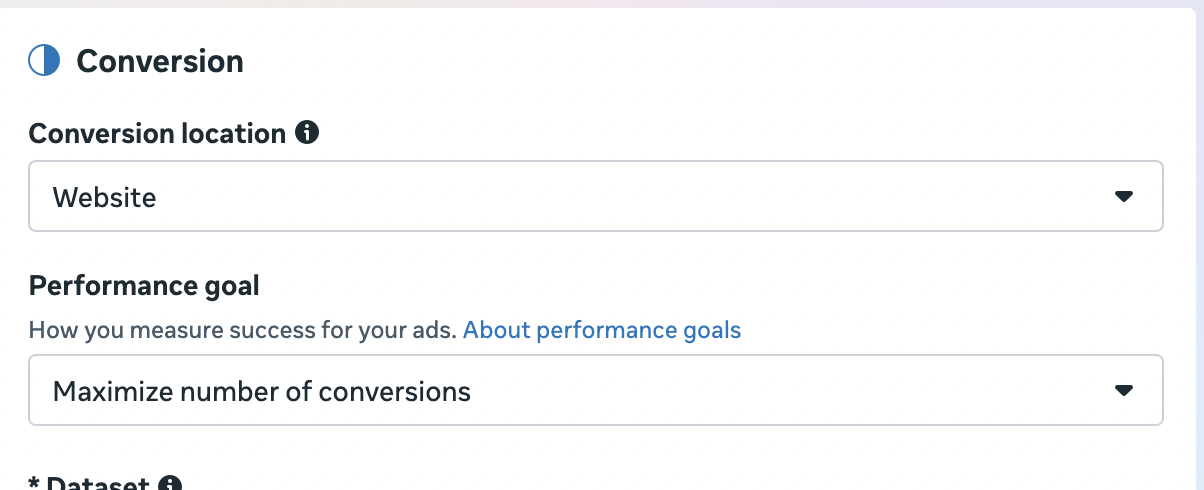
The primary objective for this campaign was sales. Because the ad promotes a hypothetical Valentine’s Day sale, the goal was to encourage users to take action rather than simply view or engage with the content.
To support this objective, I selected a single conversion destination to the Rare Beauty website, allowing Meta to optimize delivery toward users most likely to complete a purchase. This aligns with what we discussed during the live session, where conversion-focused objectives were emphasized as the most effective choice when the end goal is sales rather than awareness or engagement.
Audience Targeting Strategy
One of the biggest strengths of paid media is the ability to intentionally control who sees content. For this campaign, I built an audience that reflects Rare Beauty’s core customer while prioritizing purchase intent:
Demographics
Age: 18-35
Location: United States
Gender: All
Interests
Makeup & beauty
Sephora
Ulta Beauty
SkincareSelf-care & wellness
These interests align with users who already interact with beauty brands and retailers, increasing the likelihood that the ad reaches users who are familiar with and interested in purchasing makeup products.
In addition to general beauty interests, the live class session highlighted the importance of layering audiences strategically. In a live campaign, Rare Beauty could also target users who engage with other makeup brands, as well as users who interact with Selena Gomez’s social media content or music, leveraging her strong connection to the brand to increase relevance and engagement.
Behaviors
Online shoppers
Engaged shoppers
Couponers
If this campaign were live, Rare Beauty could further refine targeting by connecting CRM email lists of past customers who have previously purchased products. Retargeting these high-intent users would help re-engage loyal customers and strengthen conversion performance, especially during a limited-time promotional window like Valentine’s Day.
Placement & Creative
For placements, I selected platfroms across Meta, with a focus on visually driven environments. The ad would run across Facebook and Instagram feeds, Stories, and Reels, all formats where Rare Beauty’s product imagery and lifestyle-driven creative naturally perform well. Additionally, allowing Meta to optimize placements supports efficient delivery while still prioritizing platforms where users are most likely to discover, engage with, and act on the ad.
The creative for this campaign centers on a Valentine’s Day promotion framed through a self-love message, which aligns closely with Rare Beauty’s brand values. The visual highlights product imagery, featuring Selena Gomez paired with a bold headline “Proof you don’t need a valentine” and promotional messaging to share the sale.
The ad includes a clear “Shop Now” CTA and a link preview directing users to the Rare Beauty website, reinforcing the campaign’s conversion-focused objective.
Budget & Schedule
Because Rare Beauty is a large, established brand, I set a daily budget of $100 for the week leading up to Valentine’s Day. This budget reflects both the scale of the brand and the time-sensitive nature of a seasonal promotion, where consistent exposure in the days immediately before the holiday is important.
Running the campaign for seven days results in a total hypothetical spend of $700, allowing enough time to build momentum, reach high-intent shoppers, and capture last-minute purchases.
Success Metrics
To evaluate the effectiveness of this campaign, I focused primarily on CPC (Cost-Per-Click) and Conversion Rate, as both metrics directly reflect how efficiently the ad drives action toward the campaign’s sales goal.
CPC (Cost-Per-Click)
Used to measure how cost-effective the campaign was at driving users to the Rare Beauty website. A lower CPC would indicate that the targeting and creative resonated with the intended audience and encouraged clicks without excessive spend, which is especially important in a sales-driven campaign.
Conversion Rate
The most critical metric for determining success. This metric measures how many users who clicked the ad ultimately completed a purchase, making it the clearest indicator of whether the campaign achieved its primary objective. A strong conversion rate would suggest that the messaging, creative, targeting, and landing experience were all aligned and effective.
This mock campaign reinforced how intentional paid social media can be when objectives, targeting, creative, and budget are aligned. I learned how advanced targeting, such as interest layering, celebrity alignment, and CRM-based audiences, can strengthen relevance and improve conversion outcomes, especially during time-sensitive promotional moments like Valentine’s Day.
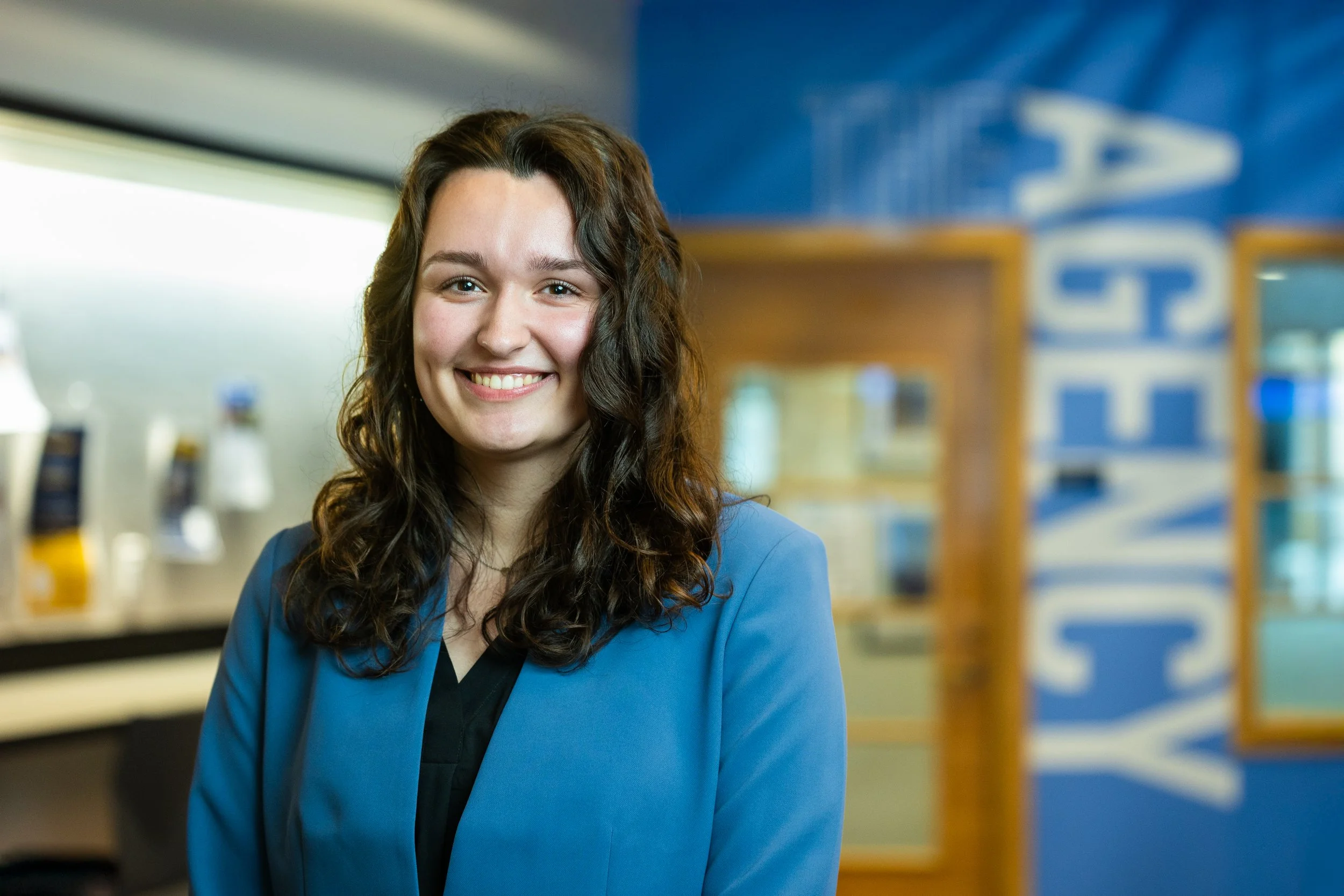
Hey, I’m Ashley!
I am a graphic & interactive designer passionate about creating purposeful, fun, and engaging design. Whether it’s a brand identity, a responsive website, or a social media campaign, I love connecting ideas with strategy to make work that’s not only beautiful, but effective.
