

Fandom: A Powerful Force in Marketing
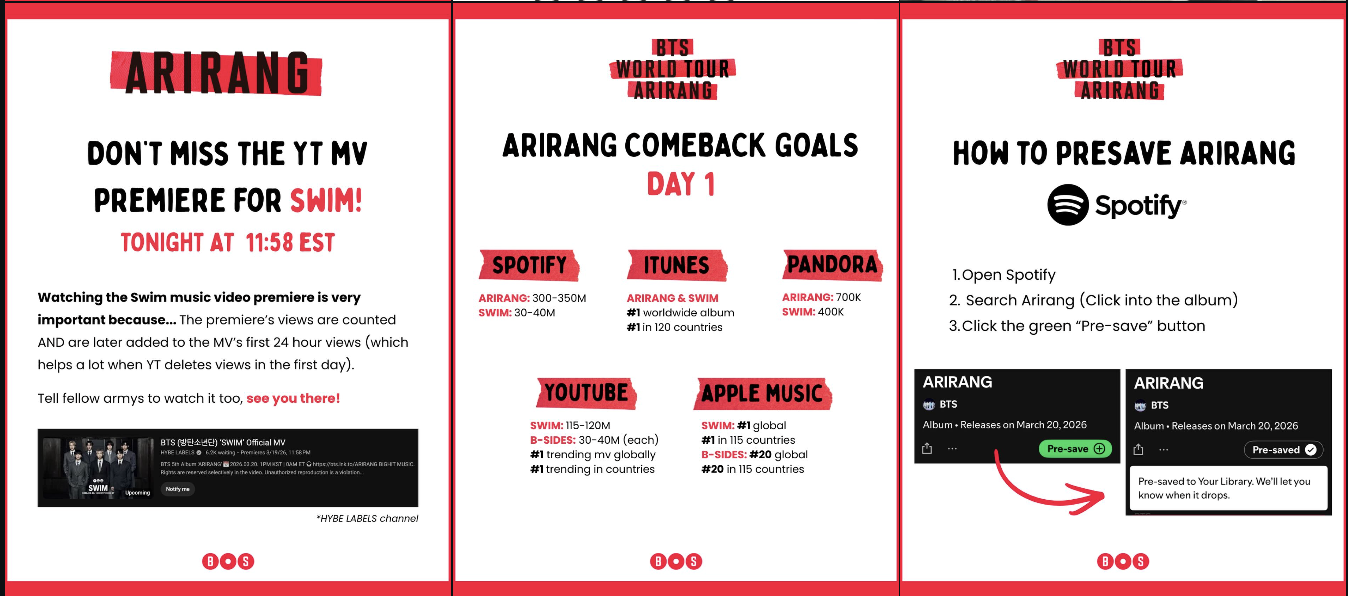
Check out my social media content for BTS Boston Army.
We don’t just consume content anymore, we participate in it. We follow, share, repost, analyze, remix. We build communities around the things we love, and in a lot of ways, those communities have become just as powerful as the brands themselves. That’s where fandom comes in.
Fandom isn’t just about being a fan of something. It’s about identity and shared language from inside jokes, visuals, emotions, and a level of attention to detail that most brands honestly underestimate.
“1 in 3 social media users are now identifying as a part of an online fandom” -2025 State of Social research
And as someone who's currently working as a design admin for a Boston-based fan community, for the biggest boy band in the world, BTS, I’ve seen this up close.
This isn’t passive engagement. Fans are creating graphics, organizing events, designing experiences, and paying attention to everything. Every color choice, every teaser, every piece of content means something. Nothing goes unnoticed.
Which is exactly why marketing within fandom spaces can either feel incredibly powerful… or completely off.
You Can’t Fake It
A lot of brands still approach collaborations the same way: attach a well-known name, launch a campaign, and expect it to perform. But audiences (especially fandoms) can tell immediately when something feels forced. Visibility doesn’t equal connection.
We’ve seen this play out time and time again, collaborations that look good on paper but fall flat because there’s no real alignment. Compare that to something like Gap x KATSEYE, which feels less like a standard campaign and more like an introduction to a new identity. It works because it understands the audience it’s speaking to.
When a collaboration lacks intention, it shows. It feels disconnected from the audience it’s trying to reach, and instead of building excitement, it creates distance. Because fandoms aren’t just looking for content, they’re looking for alignment.
It’s Not Just a Collaboration, It’s a Culture
The most successful campaigns don’t just pair a celebrity with a brand and call it a day. They build something new by combining identities, aesthetics, and values in a way that feels intentional. The visuals align. The messaging makes sense. The rollout feels like an extension of both the artist and the brand, not just a temporary partnership.
That’s what made Jennie’s collaboration with Gentle Monster so impactful. It wasn’t just a product drop — it was a fully realized visual world. From the color story to the campaign imagery, everything felt cohesive and unmistakably her, while still aligning with the brand.
The best collaborations don’t feel like marketing. They feel like something fans actually want to be part of. And that level of connection doesn’t happen by accident — it’s designed.
“Online fandoms—communities of fans that live on digital channels—can offer today’s brands an unprecedented opportunity to access passionate, highly engaged consumer communities. As vocal fans, their advocacy can spark transformative marketing impact among their digital networks.” -Deloitte Digital
Why Design Matters More Than You Think
In fandom spaces, design isn’t just decoration. It’s part of the experience.
Fans notice everything:
typography choices
color palettes
merch design
teaser content
how a campaign unfolds visually over time
A single visual can set the tone for an entire release. A well-designed campaign can build anticipation before anything is even announced.
Even smaller moments, like limited product drops tied to artists such as Olivia Rodrigo with Stanley, show how powerful this can be. These moments don’t succeed just because of a name, they work because they align with a specific aesthetic, mood, and audience that already feels connected to the artist. And when done right, it doesn’t just promote something, it invites people in.
Beyond Music: Fandom Is Everywhere
While fandom is often associated with music or entertainment, it’s expanded far beyond that.
Some of the most successful brands today are built like fandoms, with celebrity or influencer founders.
Rare Beauty, Skims and Rhode, for example, go far beyond product. They’ve created communities, aesthetics, and emotional connections that people genuinely want to be part of. Every launch feels intentional, every visual feels consistent, and every campaign adds to a larger story.
That shift changes everything about how brands need to show up. Because you’re no longer speaking to an audience, you’re stepping into a space that already exists.
Fandom isn’t a trend. It’s a shift in how people connect, engage, and build meaning around brands and creators.
The brands that understand this aren’t just louder, they’re more intentional. More creative. More aware of the culture they’re stepping into. Because at the end of the day, the goal isn’t just to be seen, it’s to be understood.
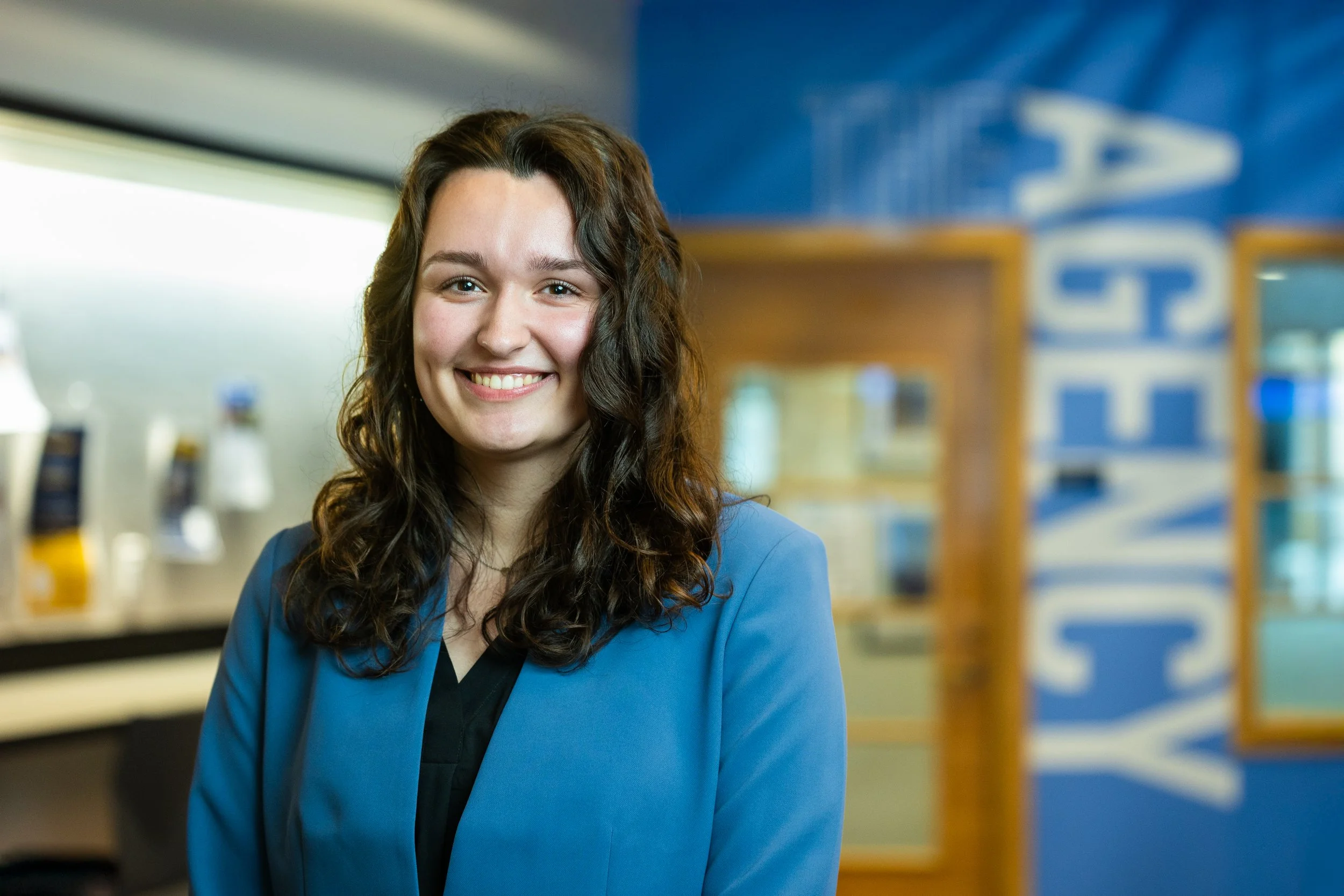
Hey, I’m Ashley!
I am a graphic & interactive designer passionate about creating purposeful, fun, and engaging design. Whether it’s a brand identity, a responsive website, or a social media campaign, I love connecting ideas with strategy to make work that’s not only beautiful, but effective.
