

At Coachella, Brand Activations Are the Real Headliners
As someone who has always wanted to go to Coachella, it’s basically my Super Bowl. Of course, I love the music. The performances, the outfits, the energy… all of it. But if I’m being honest, what excites me just as much (if not more) is the brand activations.
Every year, I watch as the desert transforms into something way bigger than a music festival. Brands take over villas, build out immersive spaces, and invite everyone’s favorite influencers into these perfectly curated worlds.
It’s not just about showing up as a brand, it’s about owning a moment. And lately, it feels like those moments are becoming the main event.
Coachella as a Full-Scale Marketing Ecosystem
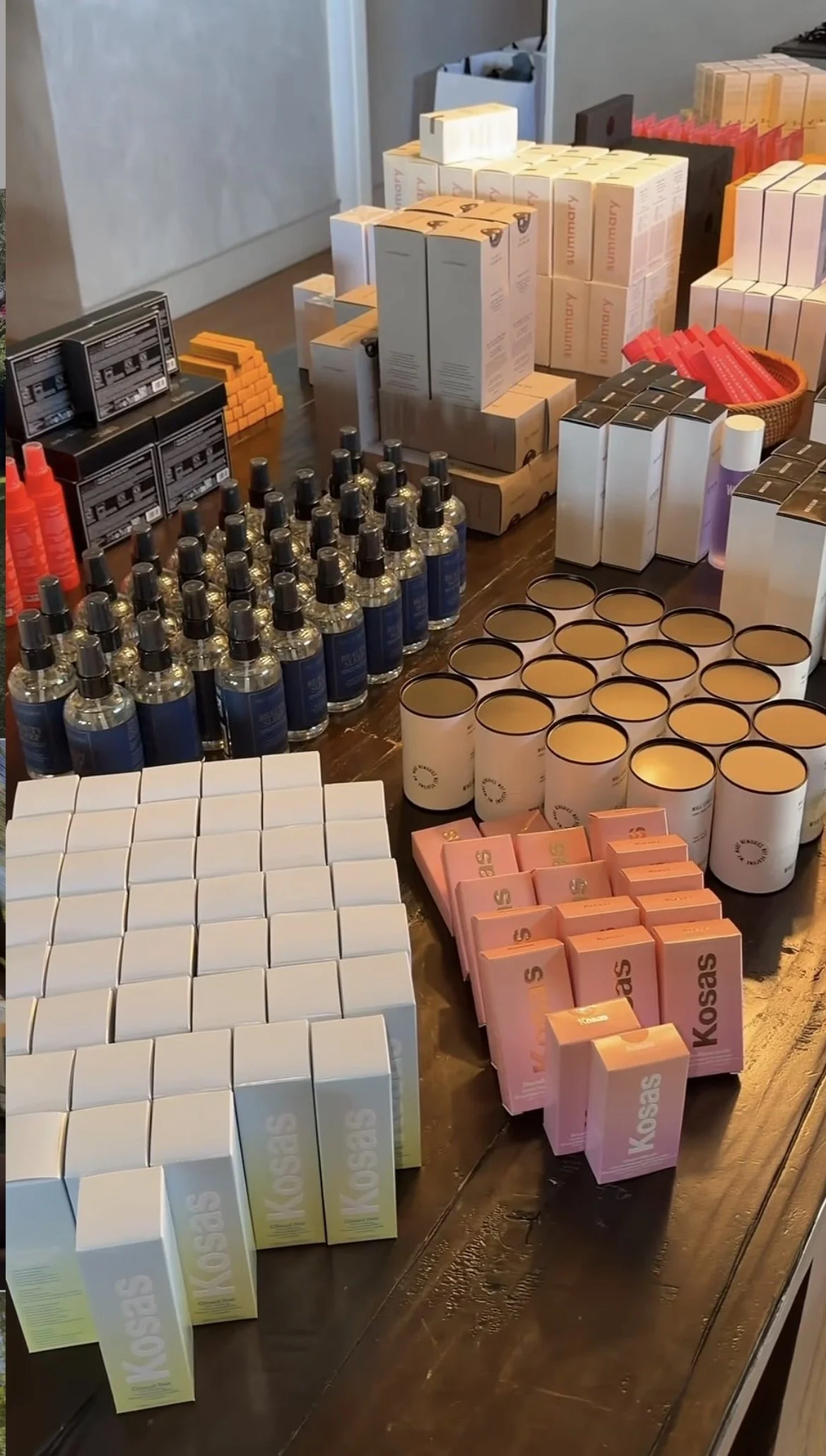
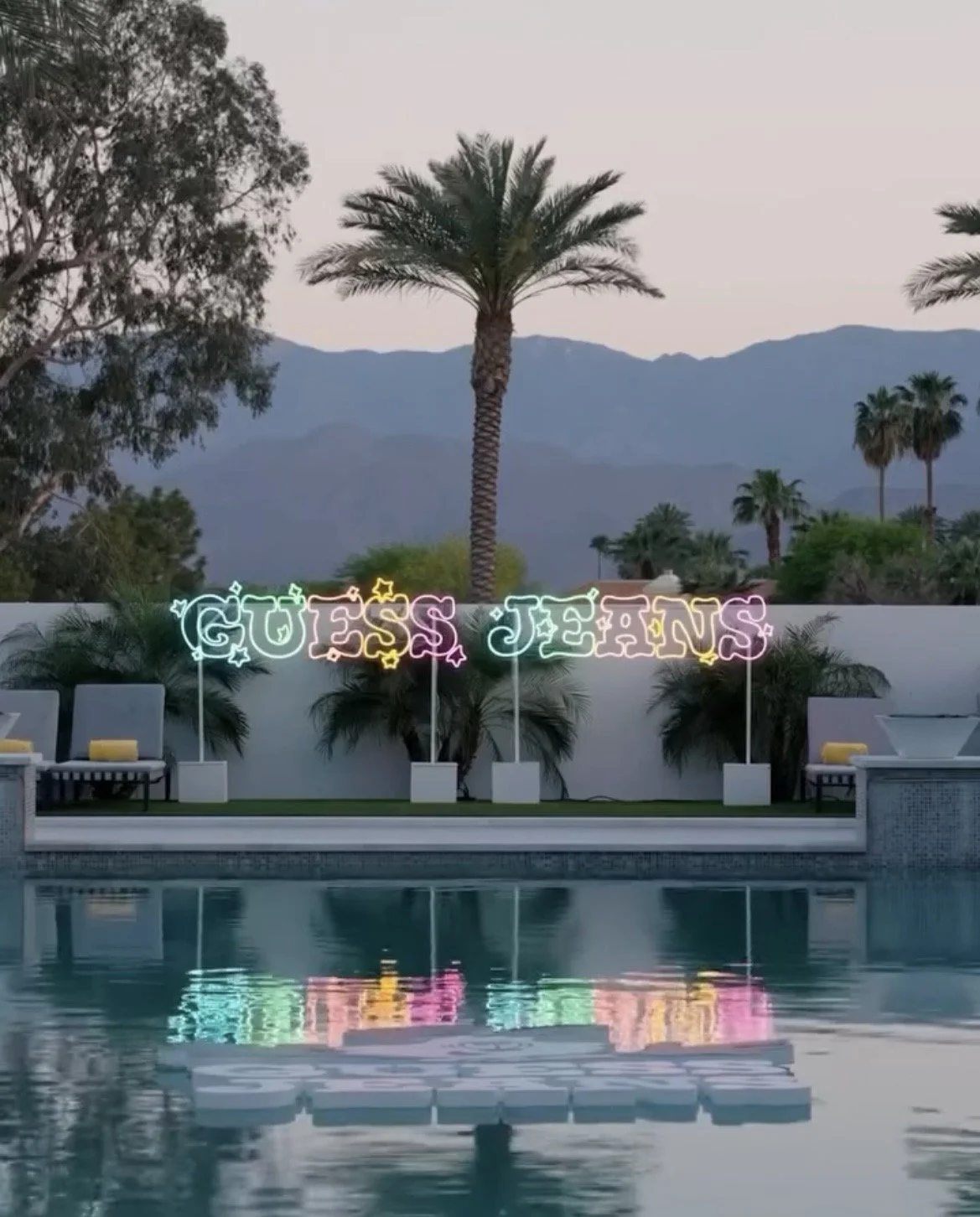
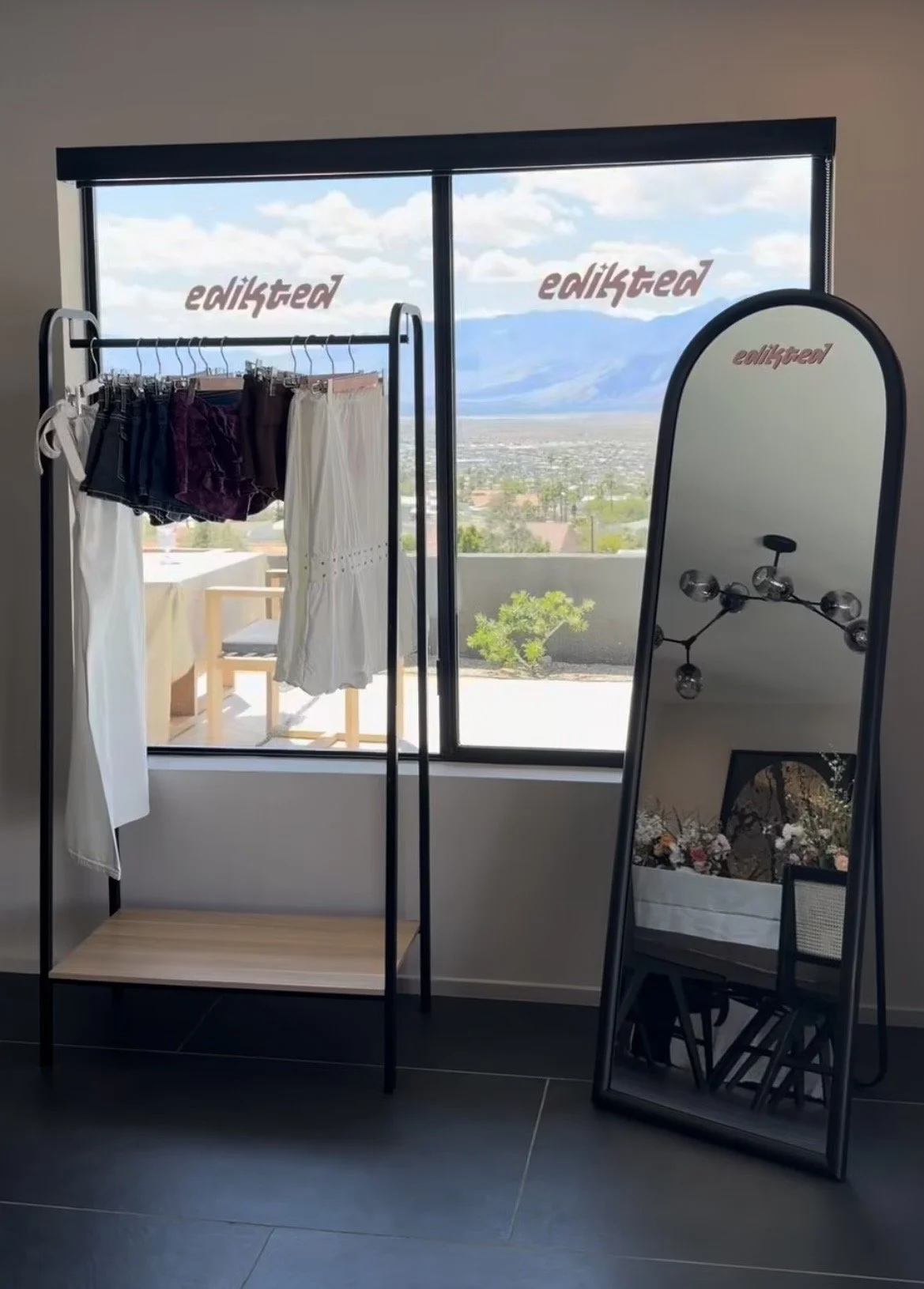
Coachella isn’t just a festival anymore, it’s one of the most powerful marketing ecosystems of the year. Before the first set even starts, brands are already everywhere.
Revolve’s iconic gifting suite returns as a must-attend influencer stop, consistently generating waves of “Come with me” and unboxing content. Edikted’s “getting ready” suites take over social feeds, blending fashion, exclusivity, and influencer culture into a single experience. Guess Jeans brings back the “Guess Compound,” creating a space that feels equal parts party, brand activation, and content hub.
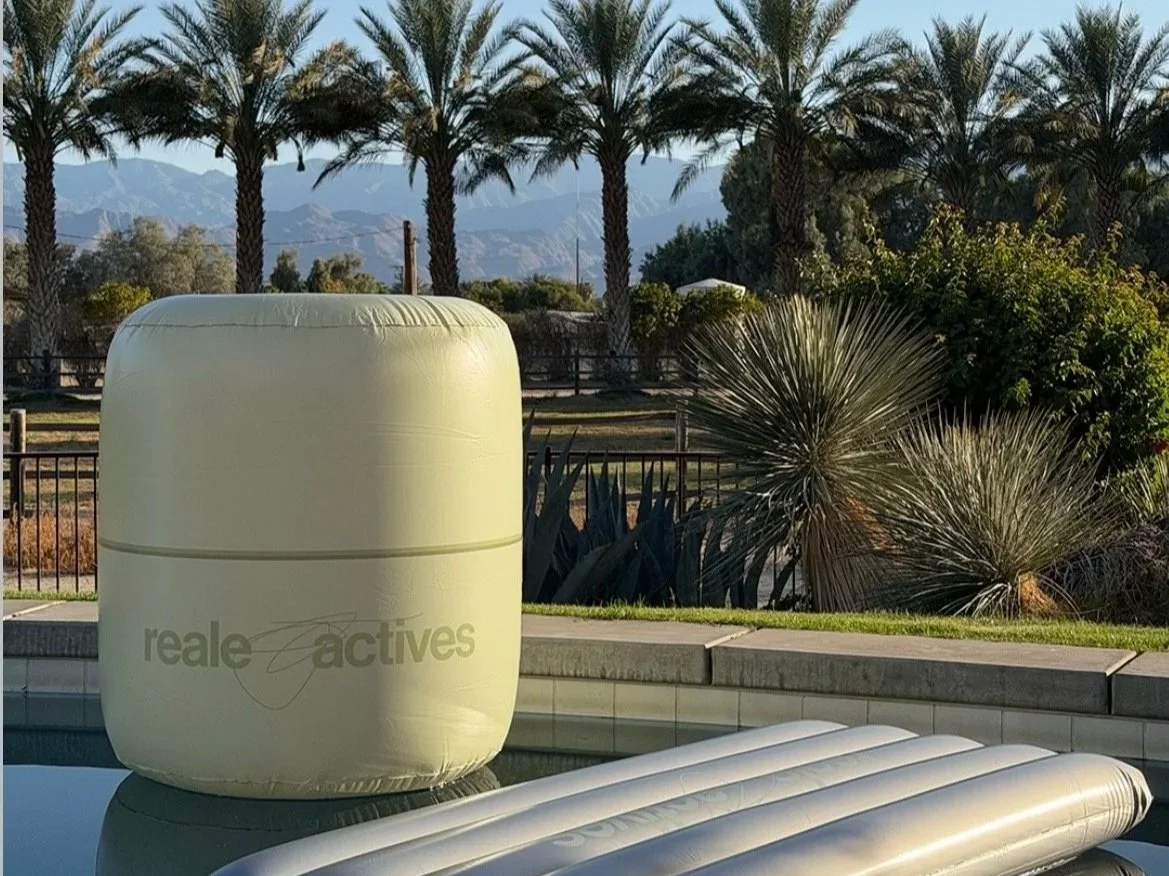
Beauty and lifestyle brands are going even bigger, and more intentional. Tarte doesn’t just show up, it creates a fully immersive world, from curated villa stays to branded experiences like the Tarte x Saint James Realty house. Influencer-led spaces like Alix Earle’s Reale Actives house take that even further, blurring the line between creator, campaign, and community.
Then there are brands like Poppi, Kopari Beauty, and White Fox Boutique, who are building out experiences that feel less like traditional advertising and more like something you want to be part of. These aren’t one-off pop-ups, they’re multi-day environments designed to host, engage, and continuously generate content.
And what’s especially interesting is how layered these activations are. It’s not just the physical space, rather it’s the lead-up, the influencer seeding, the teaser content, the real-time posting, and the post-weekend recaps. Brands are thinking in full campaigns, not just moments.
The scale of it all is impossible to ignore. The marketing budgets behind these activations must be massive from entire villas, production teams, influencer partnerships, branded transportation, and tons of curated gifting. But in a landscape this competitive, brands are going above and beyond to stand out. And it’s working, because it’s everywhere on my feed.
Designed for Socials
What makes Coachella especially powerful is how intentionally it’s designed for social media, not as an afterthought, but as the core strategy.
Every activation is built with content in mind. Spaces are designed to be filmed from multiple angles. Lighting is optimized for photos. Layouts naturally guide how people move through and interact with the space. It’s almost like stepping into a set that’s already been storyboarded for TikTok. And brands aren’t just relying on aesthetics, they’re tapping into personality and community.
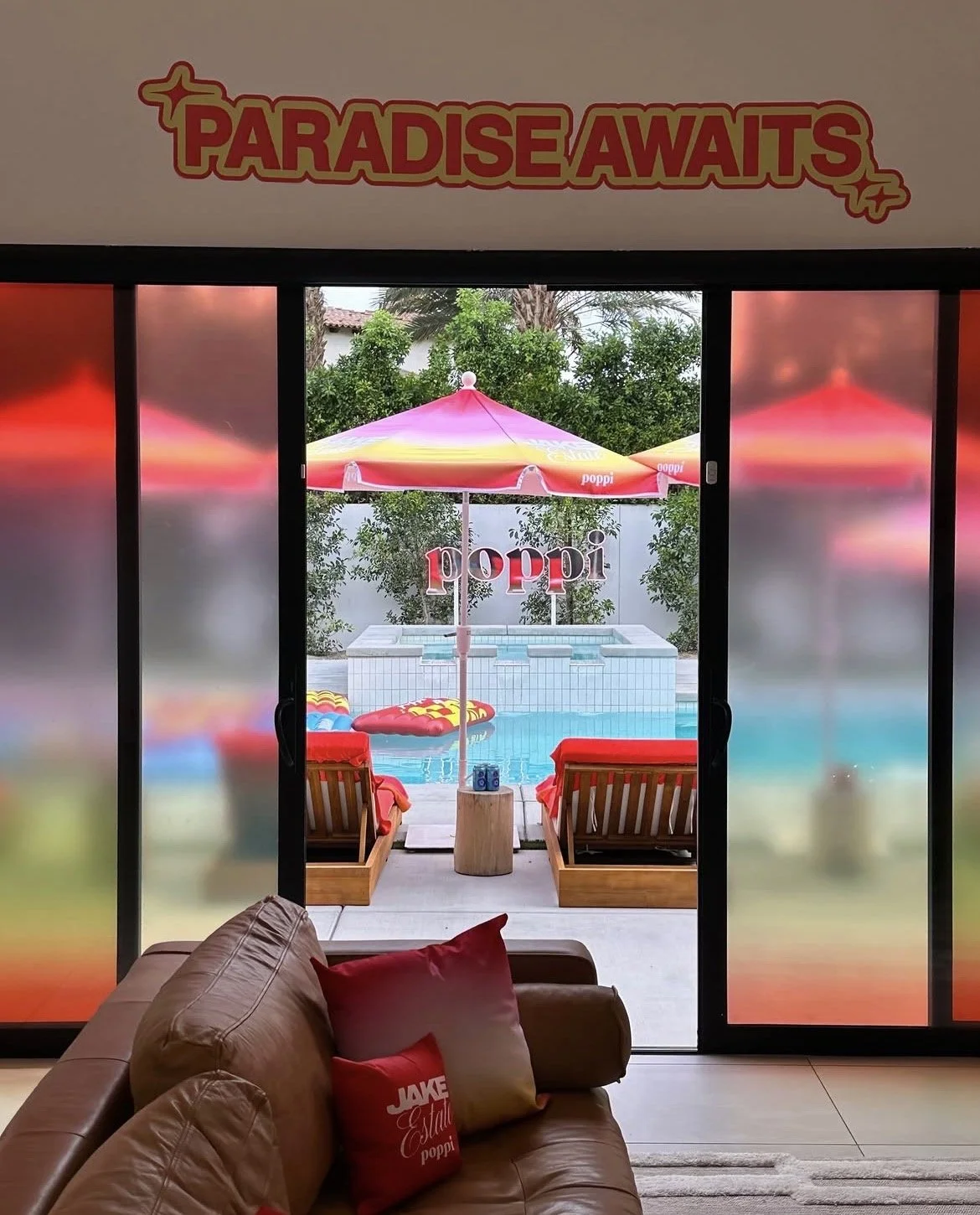
Poppi is a perfect example, bringing in creators like Jake Shane whose audience already trusts and engages with him. Instead of forcing a message, the brand becomes part of his world, inviting his personal friends to the Villa instead of various influencers, which makes the content feel natural and highly shareable.
At the same time, influencer houses and villas create an always-on content cycle. From morning “get ready with me” videos to nighttime party recaps, brands are embedded into every part of the day. Products show up casually: on vanities, in outfits, in background shots, making the exposure feel organic rather than staged.
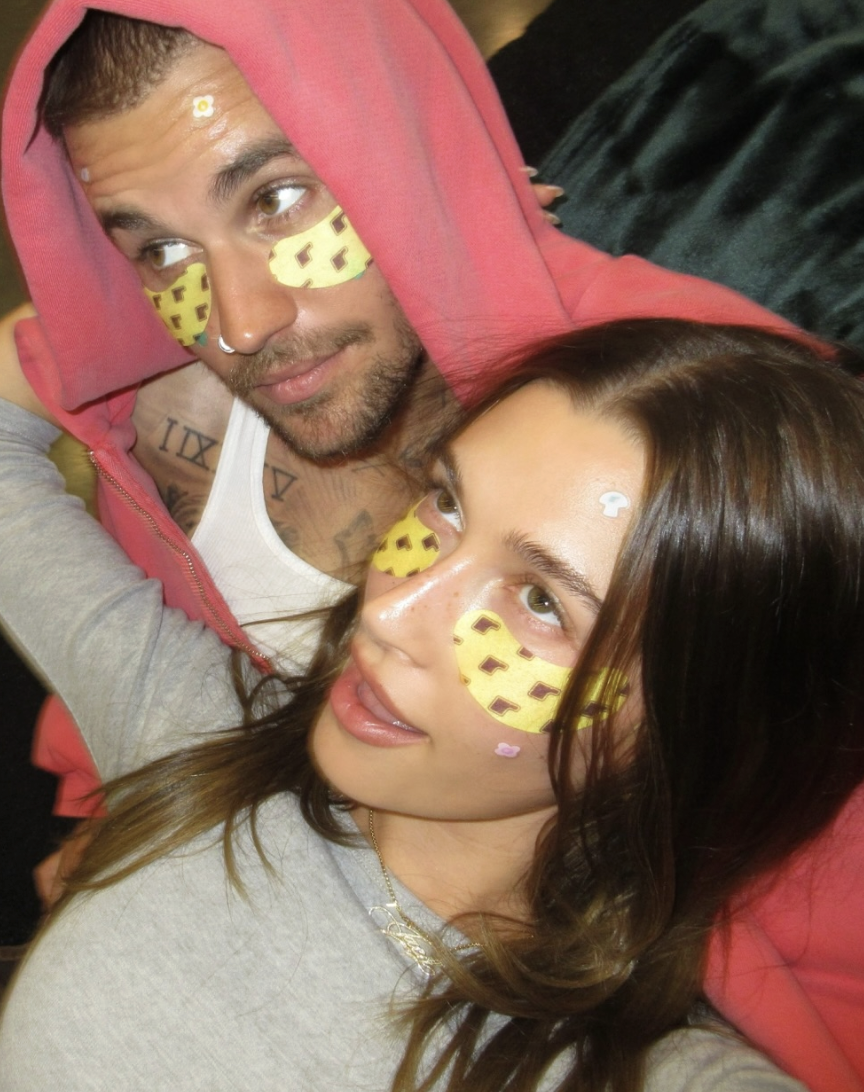
And some of the most impactful moments go beyond physical activations entirely. Rhode being seamlessly tied into Justin Bieber’s Coachella presence is a perfect example of cultural marketing at its best. It’s not just product placement, it’s about alignment, storytelling, and timing.
Where Design Meets Strategy
None of this works without strong design. At Coachella, design isn’t just aesthetic, it’s strategic. Branded merch and swag becomes instant advertising the second it’s worn or posted. Gifting suites function like content studios, where every product, package, and detail is curated for maximum visibility.
Physical environments are designed as extensions of brand identity. Kopari leans into that effortless, sun-glow aesthetic. White Fox creates high-energy, fashion-forward spaces. Tarte’s villas feel like stepping into a fully realized brand universe.
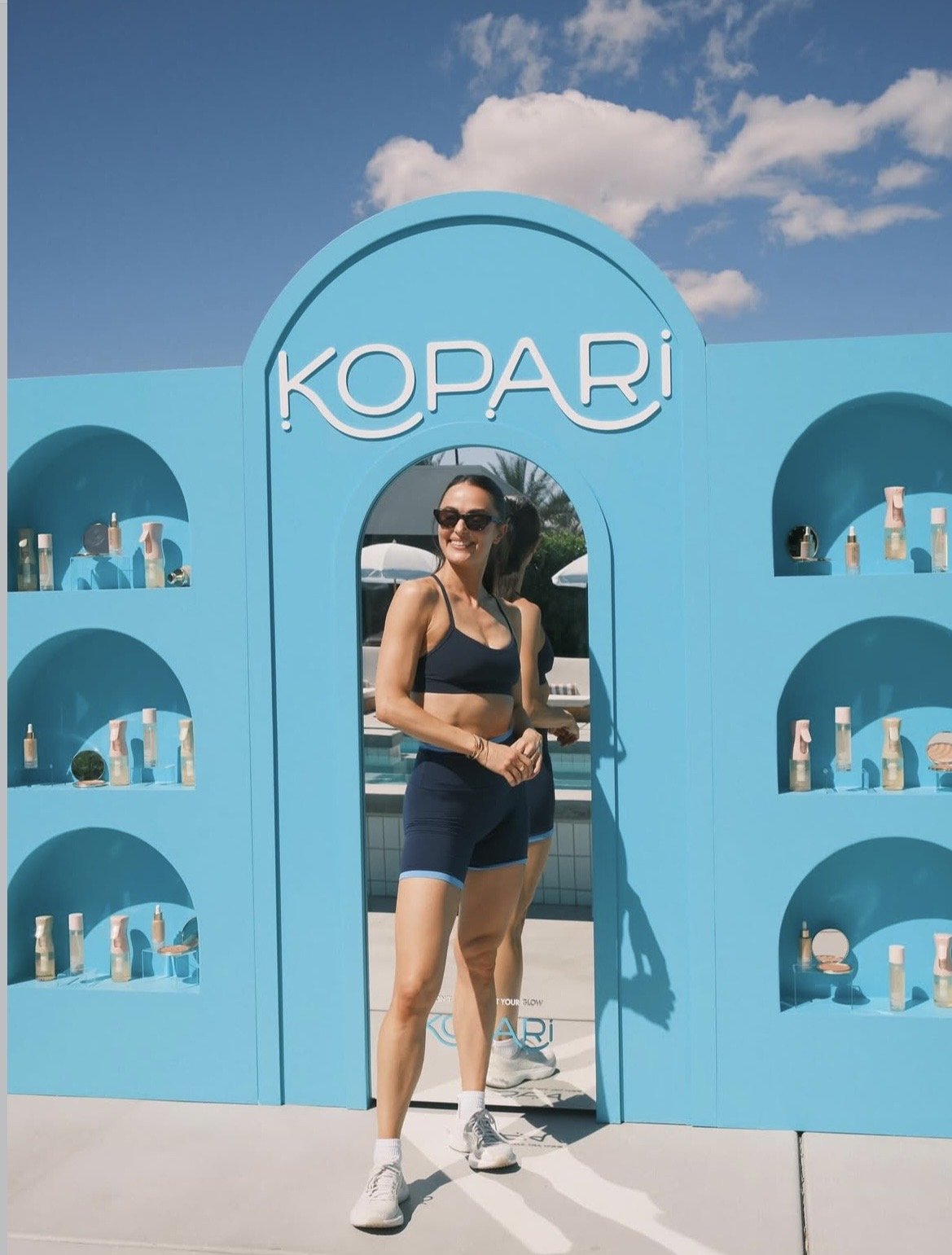
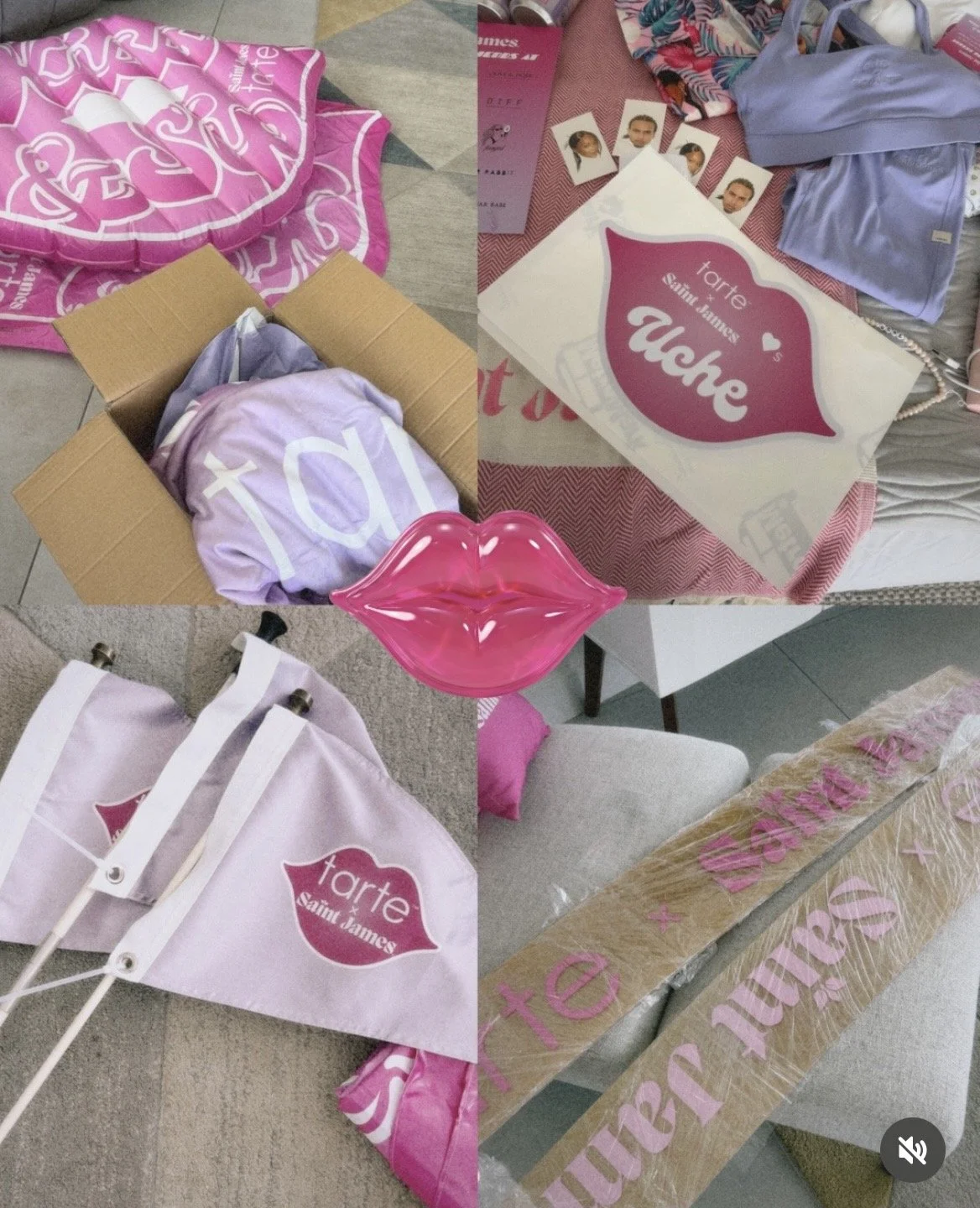
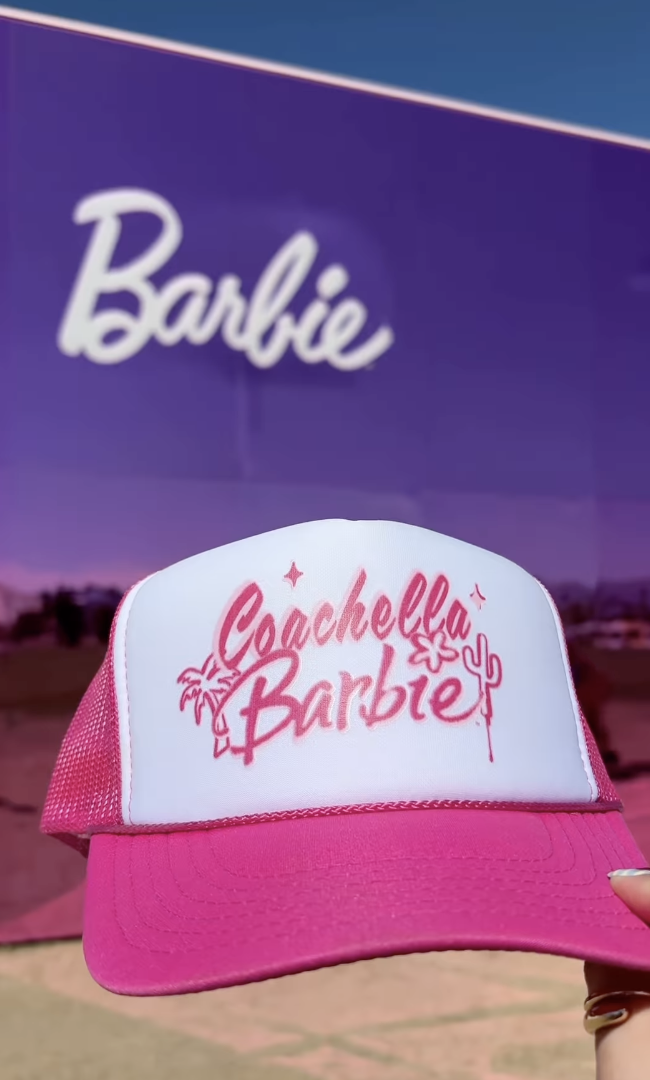
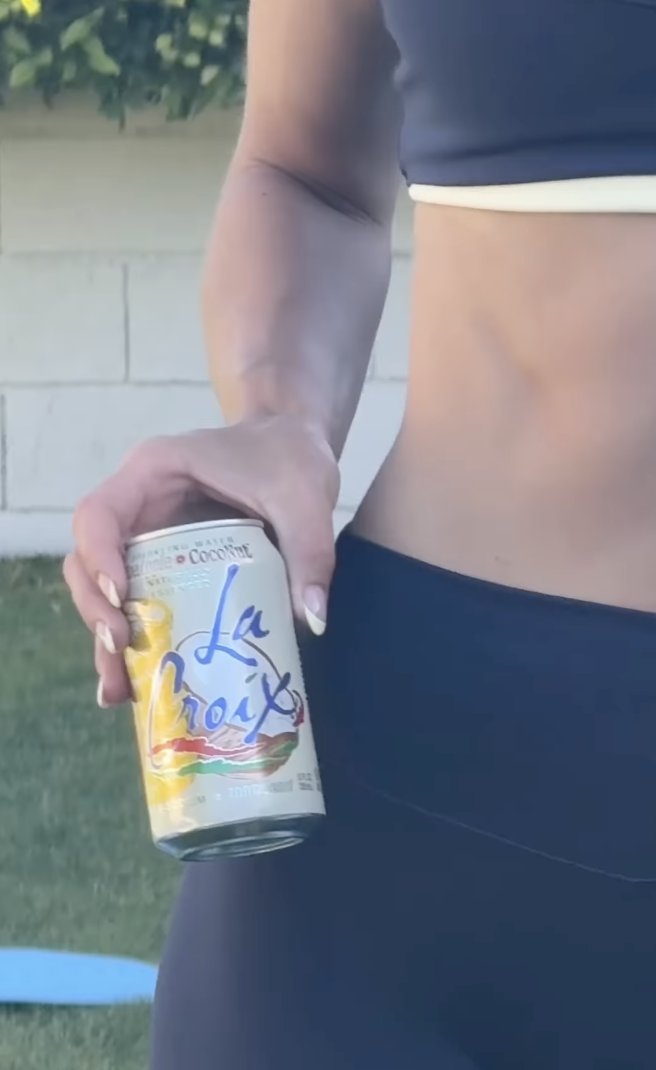
Even larger brands, from Barbie and Ulta Beauty to Neutrogena, LaCroix, Starbucks, and so many more, all show up with bold, highly visual activations that translate instantly to social.
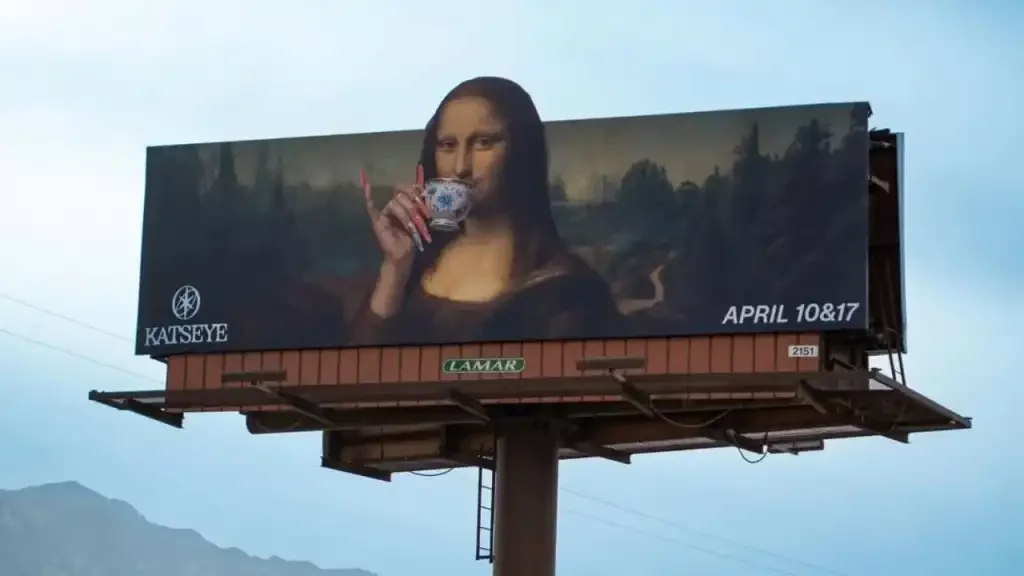
And artists are operating in the same way. Campaigns surrounding Sabrina Carpenter and Katseye extend far beyond their performances, with billboards, teaser visuals, and social-first campaign rollouts showing up everywhere.
Because at Coachella, design isn’t just about being seen in person…it’s about being seen everywhere.
Content That Scales Beyond the Desert
What makes these activations so effective is how far they travel. Influencers, attendees, and brands are all creating content at the same time, in the same place, but the audience is global.
A single post from a gifting suite or villa can reach millions within hours, amplified through reposts, trends, and algorithm-driven discovery. And because the content feels embedded in real experiences, it doesn’t read as traditional advertising. It feels aspirational, immersive, and authentic, which makes it even more effective.
It’s experiential marketing, scaled through social in real time.
As someone studying design and working in social media, I’ve started to look at Coachella completely differently. What once felt like a dream event now feels like real-time marketing of how brands show up, how people interact, and what actually makes someone stop, take a photo, and share it.
It’s made me think more intentionally about the work I create too, not just how something looks, but how it lives beyond the moment.
At the end of the day, the music still matters. But the experience around it is where the real impact is happening. The brands that stand out aren’t just the ones that show up, they’re the ones that create something people want to step into, capture, and share.
And in a world where attention is everything, the most powerful stage might not be the one with the best music, it’s the one designed to be seen, shared, and remembered.

Hey, I’m Ashley!
I am a graphic & interactive designer passionate about creating purposeful, fun, and engaging design. Whether it’s a brand identity, a responsive website, or a social media campaign, I love connecting ideas with strategy to make work that’s not only beautiful, but effective.
